Messyna
the battle for the middle ground
Local Draft
Draft 7 monsters and 16 spells, then battle. Default board is 8×8. Default is 🚫 No Spells — a pure-tactics match; pick ✨ With Spells to draft a 16-card spell deck too.
In local vs Player the board rotates each turn and a Ready screen hides your cards while the device is passed over.
Multiplayer Draft · ranked
Create a match and share a unique link. When your opponent joins, both of you draft your armies — the game starts when both mark Ready. Ranked matches run a 30-second turn clock by default — or pick 🔔 Async: no clock, and your device gets a notification when it's your turn. Sign in first and the result counts on the ELO ladder.
⚡ Quick Match Lobby · ranked
No link needed — post an open challenge or accept one below. The game starts the moment someone accepts.
Loading open challenges…
Sign in before playing and the result counts on the ELO ladder.
🧩 Puzzles
Positions from real engine games with one clearly best move — find it. A new Puzzle of the Day every day, plus banks for every level.
🎓 Learn to play
A guided 2-minute battle: move each archetype, win your first fight, garrison a castle — the board teaches you as you click.
🎓 Start the interactive tutorial🏆 Leaderboard (ranked online games only)
No ranked games yet — sign in, create an online match, and claim the top spot. Everyone starts at 7,777 ELO.
📜 How to Play
The game
- Draft 7 monsters and 16 spells, then battle on the board.
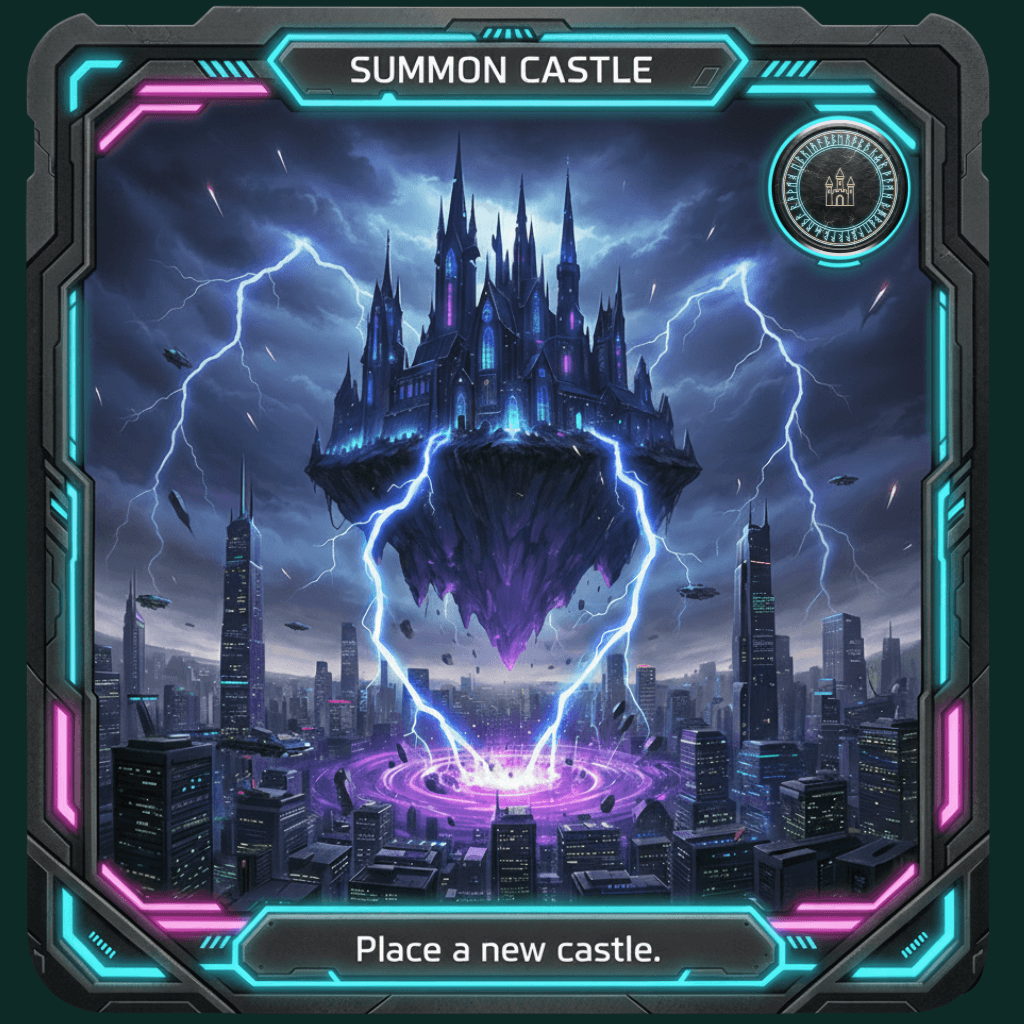
- One action per turn: move/attack, cast a spell, or place a castle.
- The HP ceremony rolls each monster's lasting HP with 3D dice — one die (4–7) per DEF, once, for the whole game. The dice season a monster's health; they no longer decide its fate.
Ways to play
- 🤖 vs AI — four difficulties; INSANE runs the self-play-trained evaluation. A 💡 Hint button teaches you the engine's best move.
- 👥 Local 2-player — one device; the board rotates each turn and a Ready screen hides hands during the handoff.
- 🔗 Online — share an invite link, draft simultaneously, chat in-game, ask for breaks. Ranked matches run a 30-second turn clock — expire and your turn passes.
Victory modes
- ⚔️ Classic — destroy every enemy monster (always also ends the game in other modes).
- ⭐ Middle — hold more of the 4 gold center tiles than your opponent for 6 consecutive half-turns.
- 👑 King — one random monster per side is crowned; if a king dies, its side loses instantly.
Terrain & drafts
- 🏜 Plains — a clean battlefield. 🌲 Forest — random woods each game; a defender standing in forest gets +1 DEF.
- 🎴 Classic draft — both sides pick privately from their own pools, then Ready.
- 🐍 Snake draft — one shared pool, alternating visible picks (P1 P2 P2 P1…): counter-pick your opponent.
Fight mechanics
- Moving onto an enemy starts a dice duel. Hit chance =
100% − ATK×4% − DEF×1.5%(clamped 55–95%); the attacker strikes first with +6%. - Each hit rolls ATK × d7 damage against lasting HP; rounds alternate until someone falls. Dead monsters cannot counter.
- Winners keep their wounds — no monster is immortal.
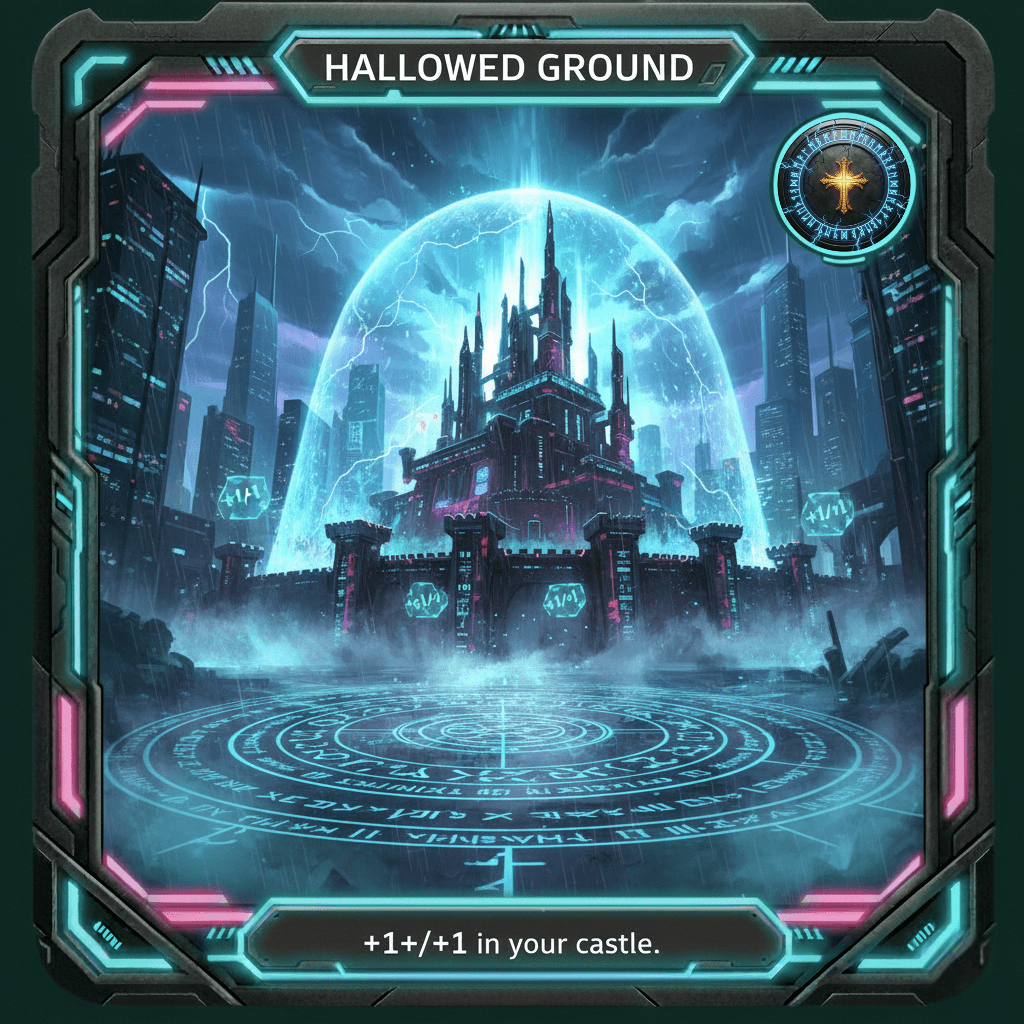
- Castles: garrisoned monsters fight at +1/+1 (shown on their badges) — including on contested castles, for either side. You can attack an enemy inside its castle; empty enemy castles still wall off ground units (Dragons fly over).
- Contested castles: place a castle on an enemy castle → it becomes half-half (both may use it); place again to claim it outright.
- Adjacent allies still lend the defender +1 DEF each.
Movement — the Messyna way
📖 Bestiary — all 32 monsters (image · stats · movement)
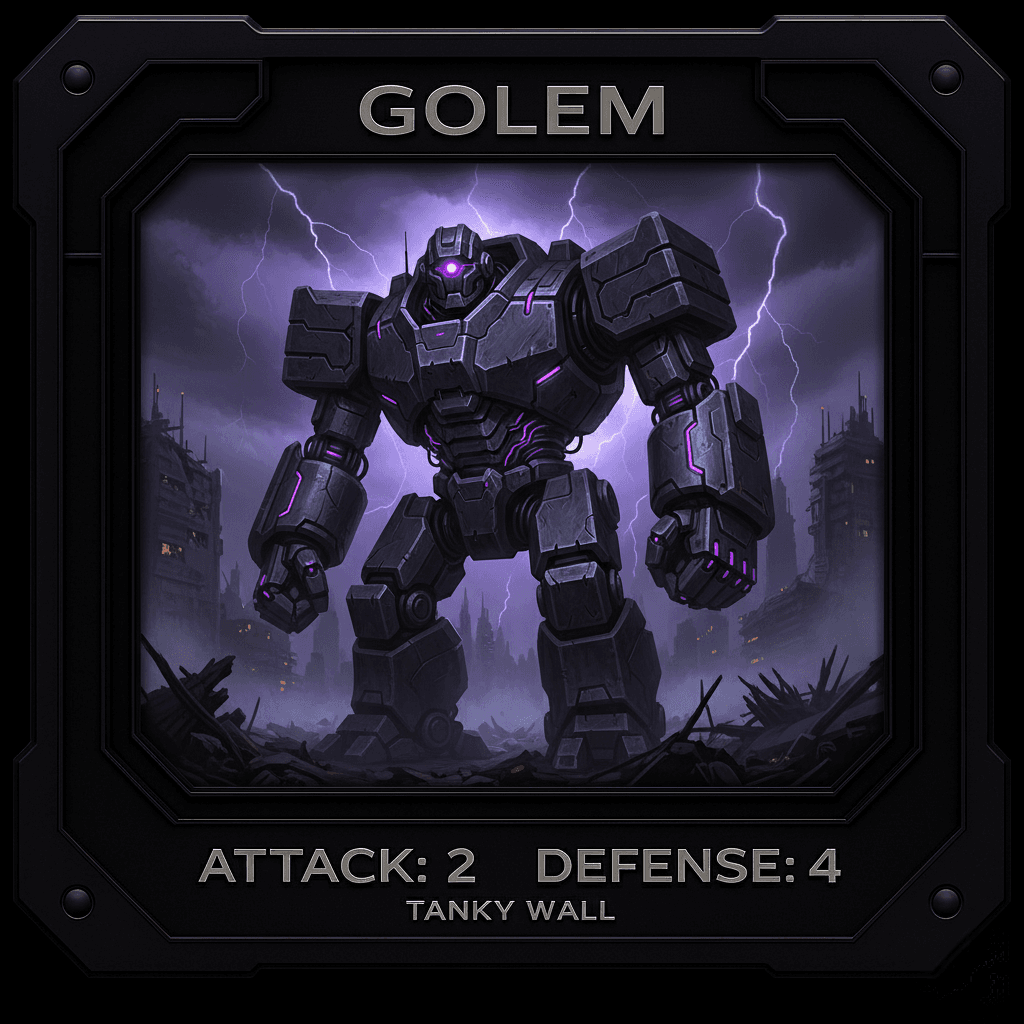
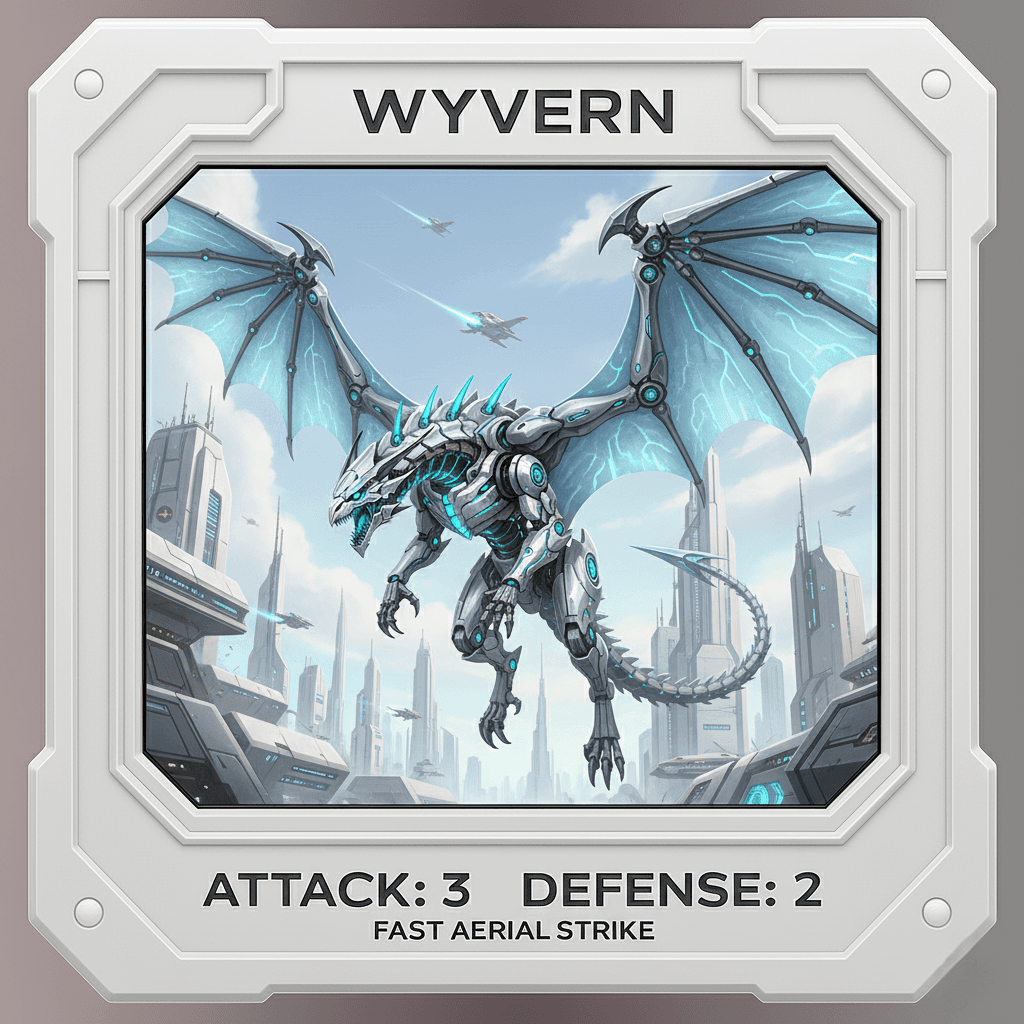
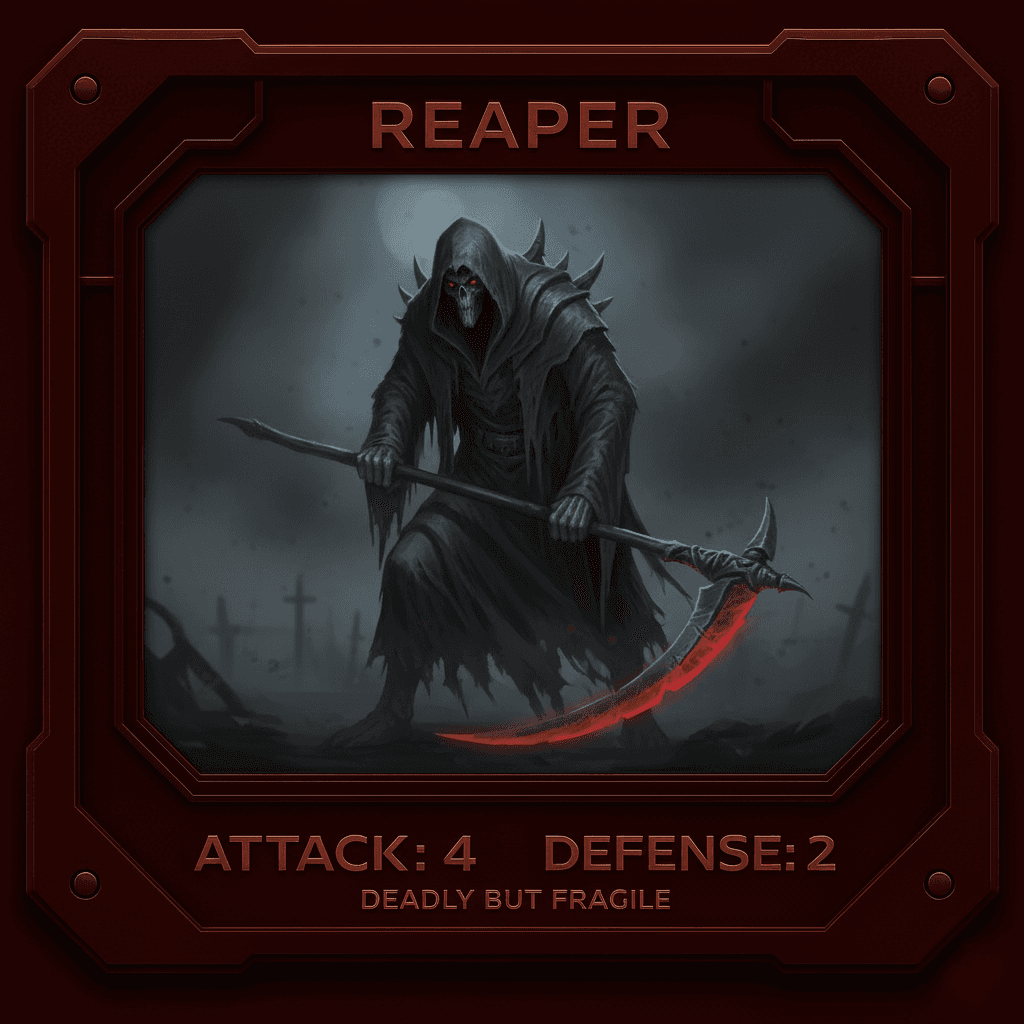
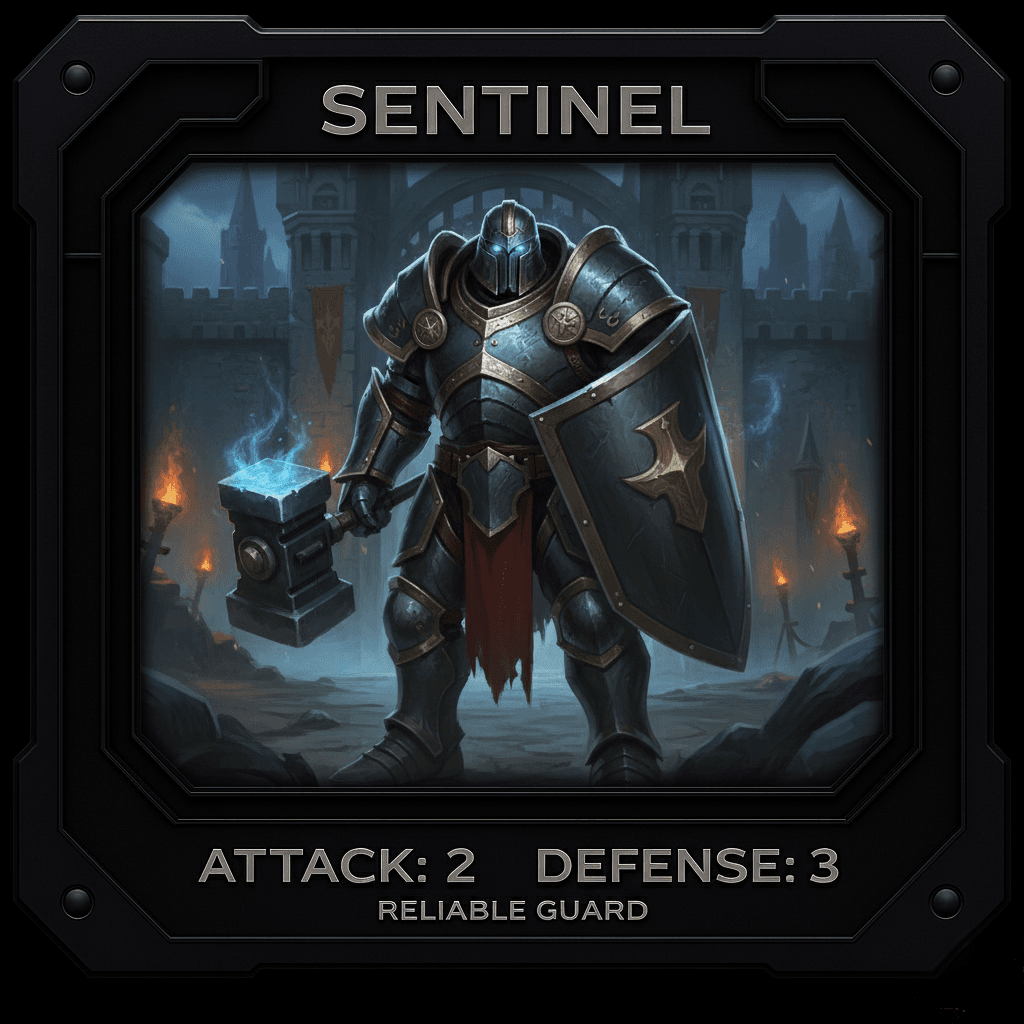
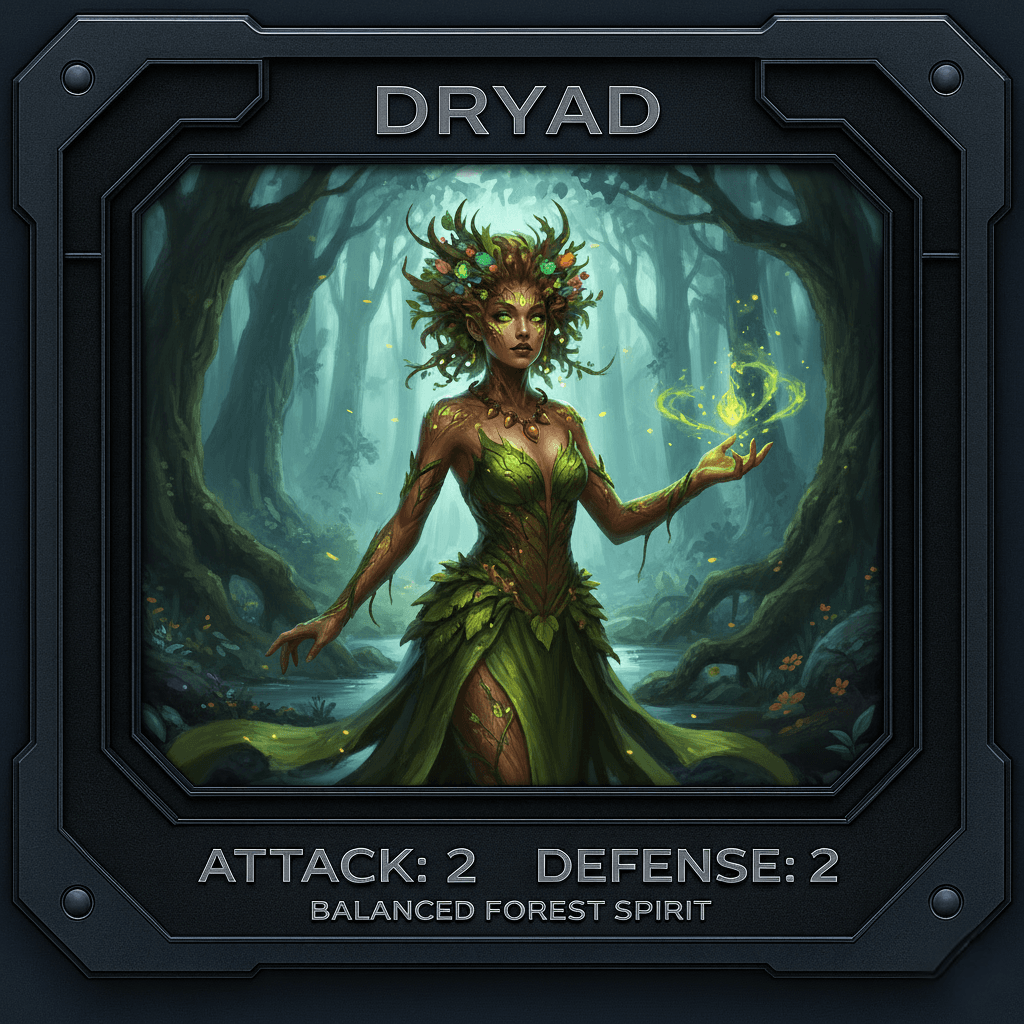
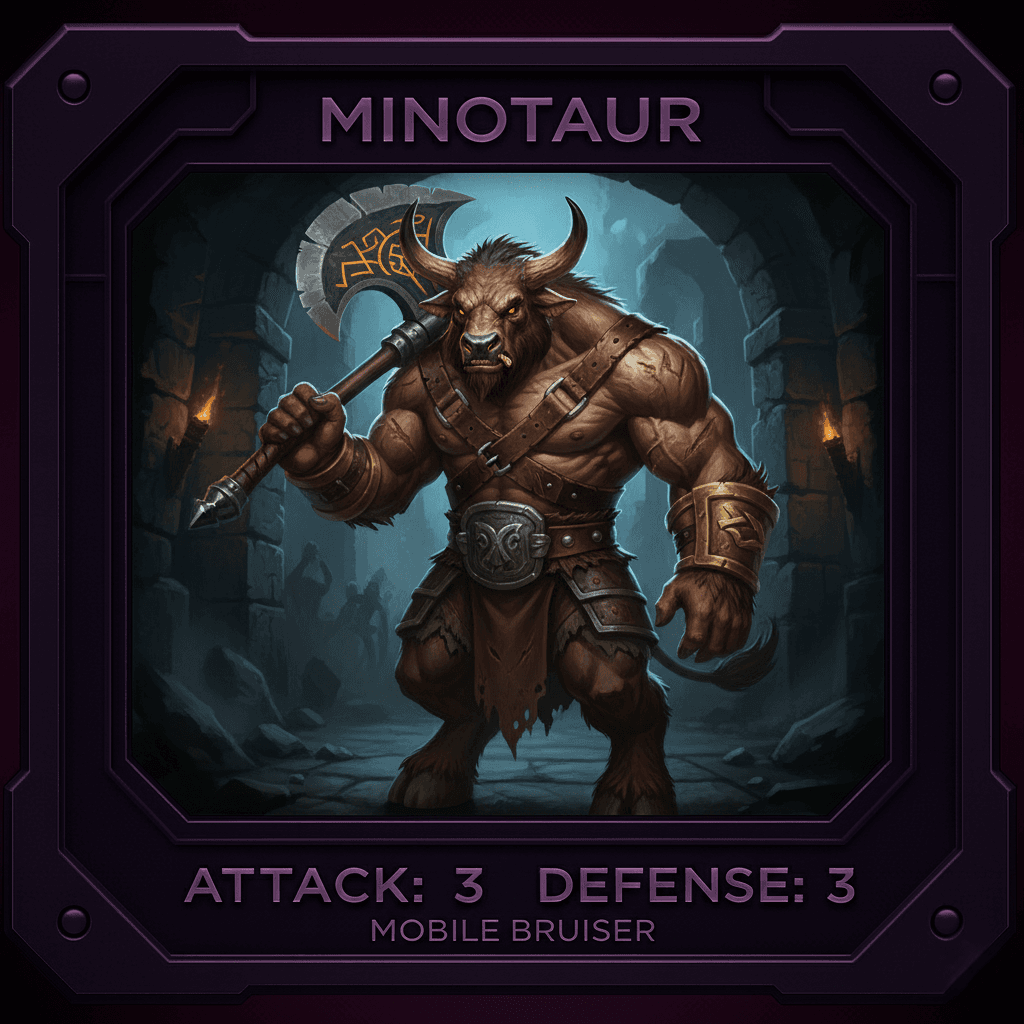
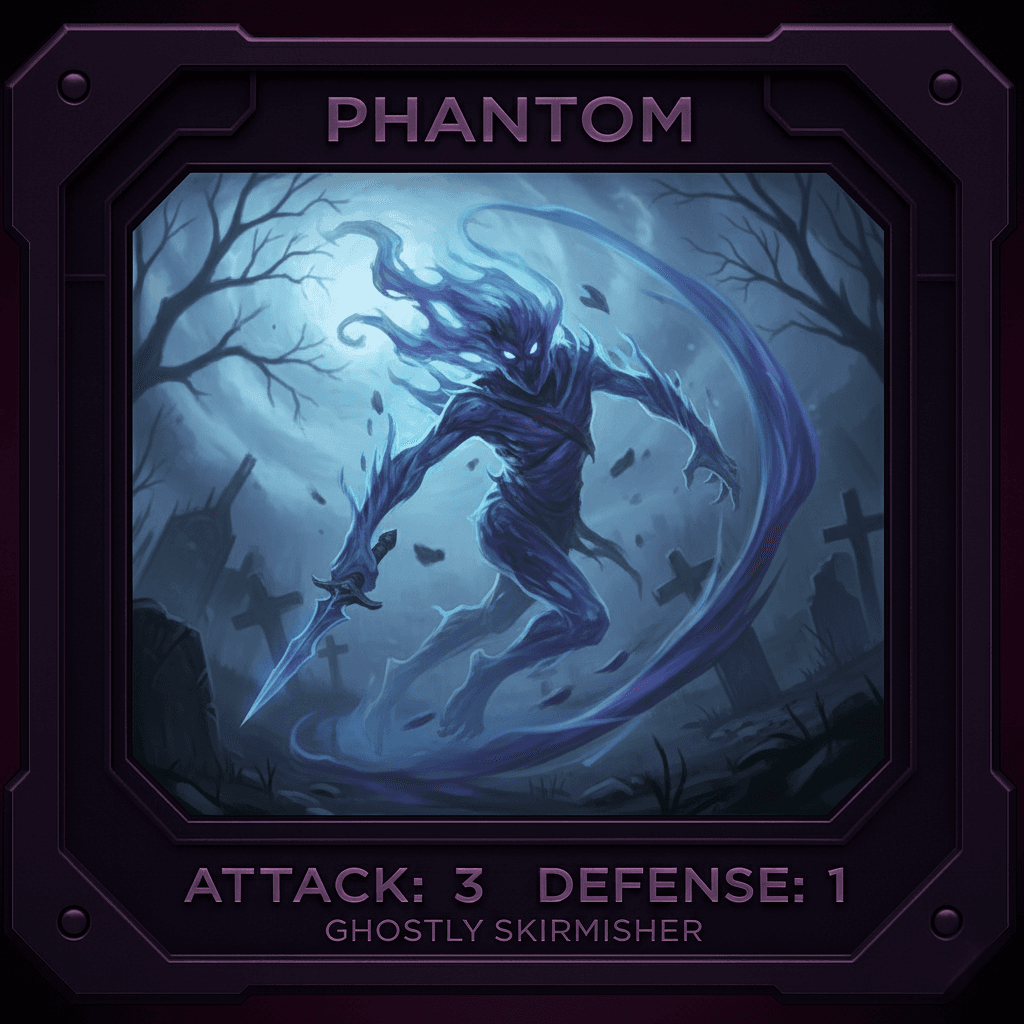
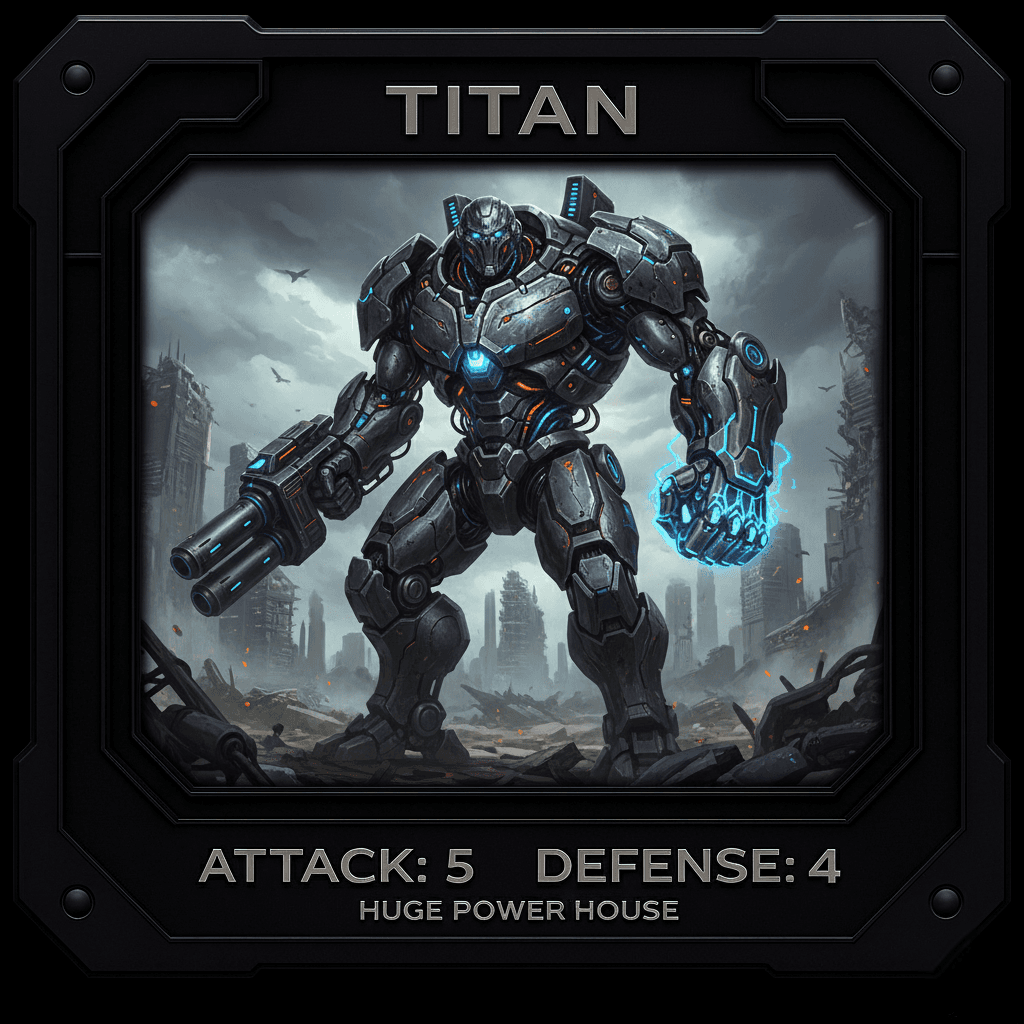
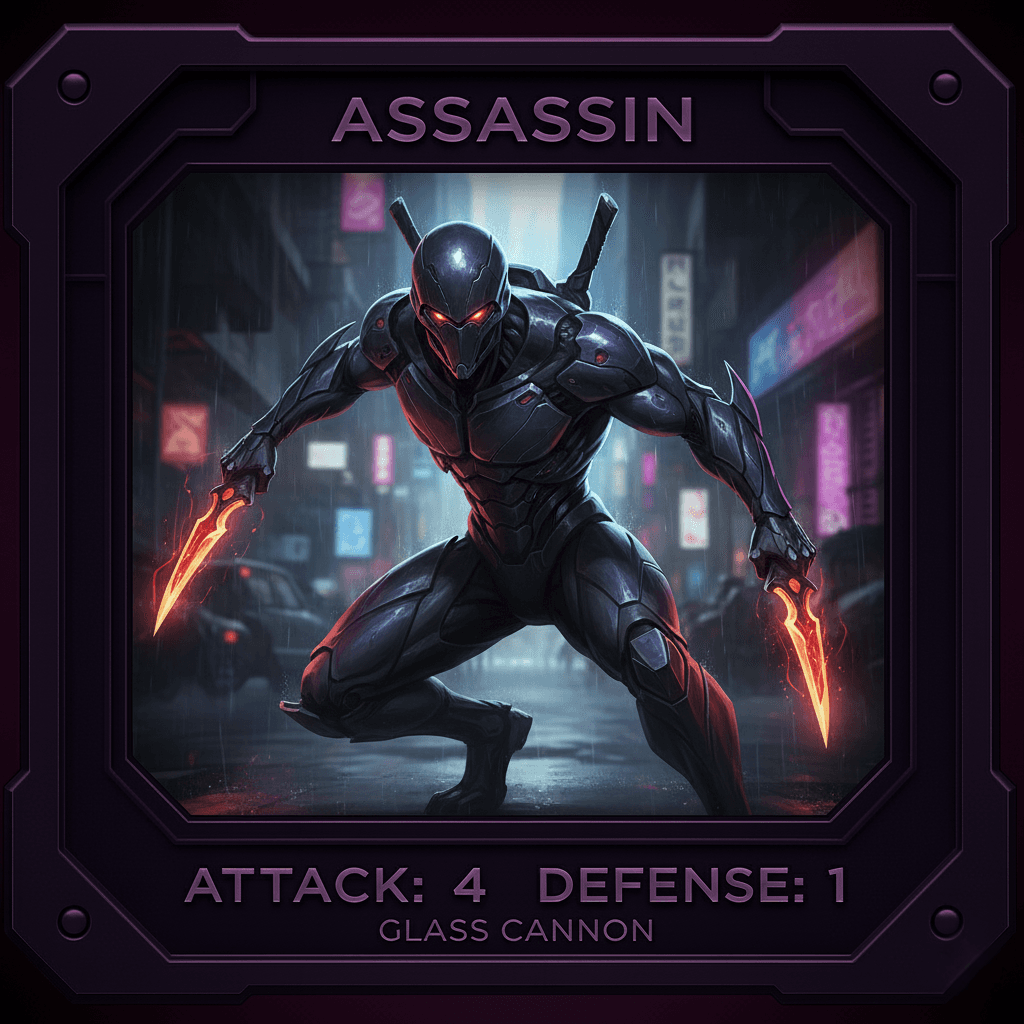
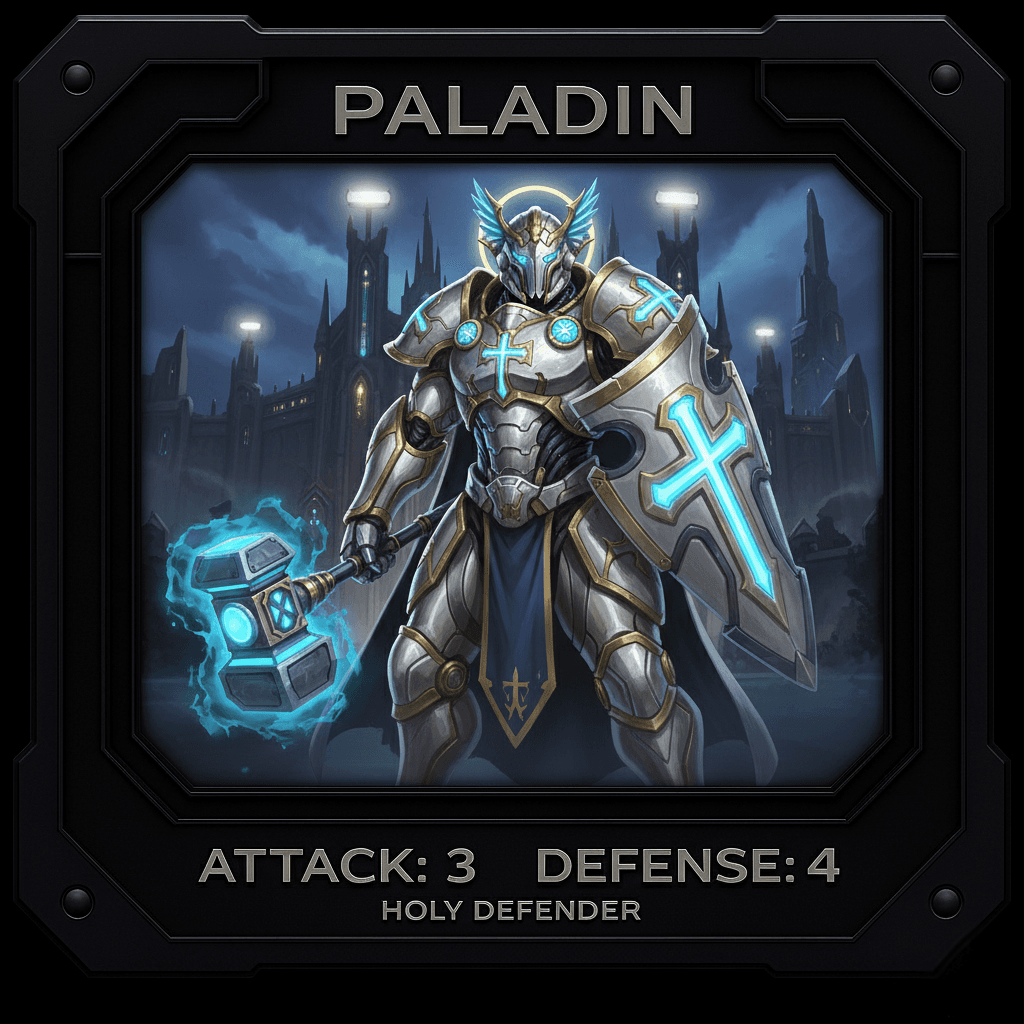
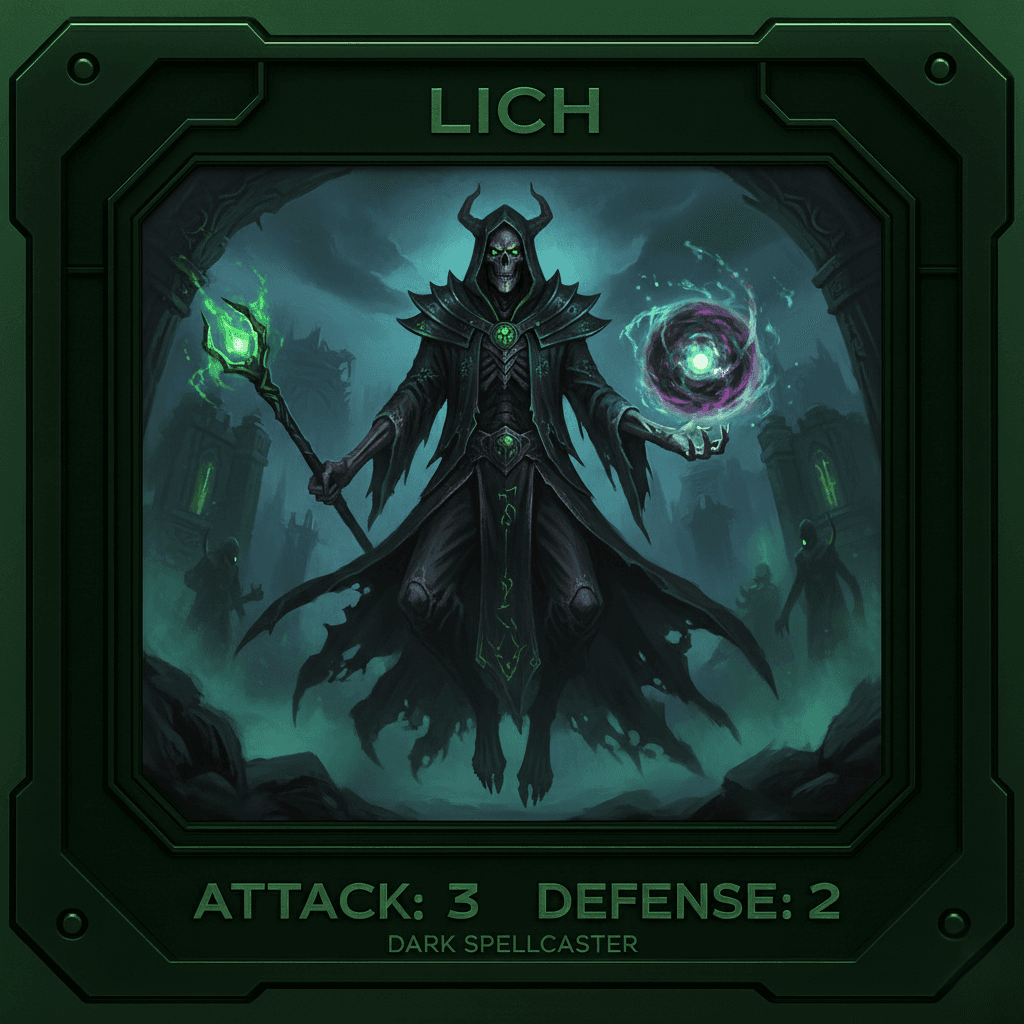
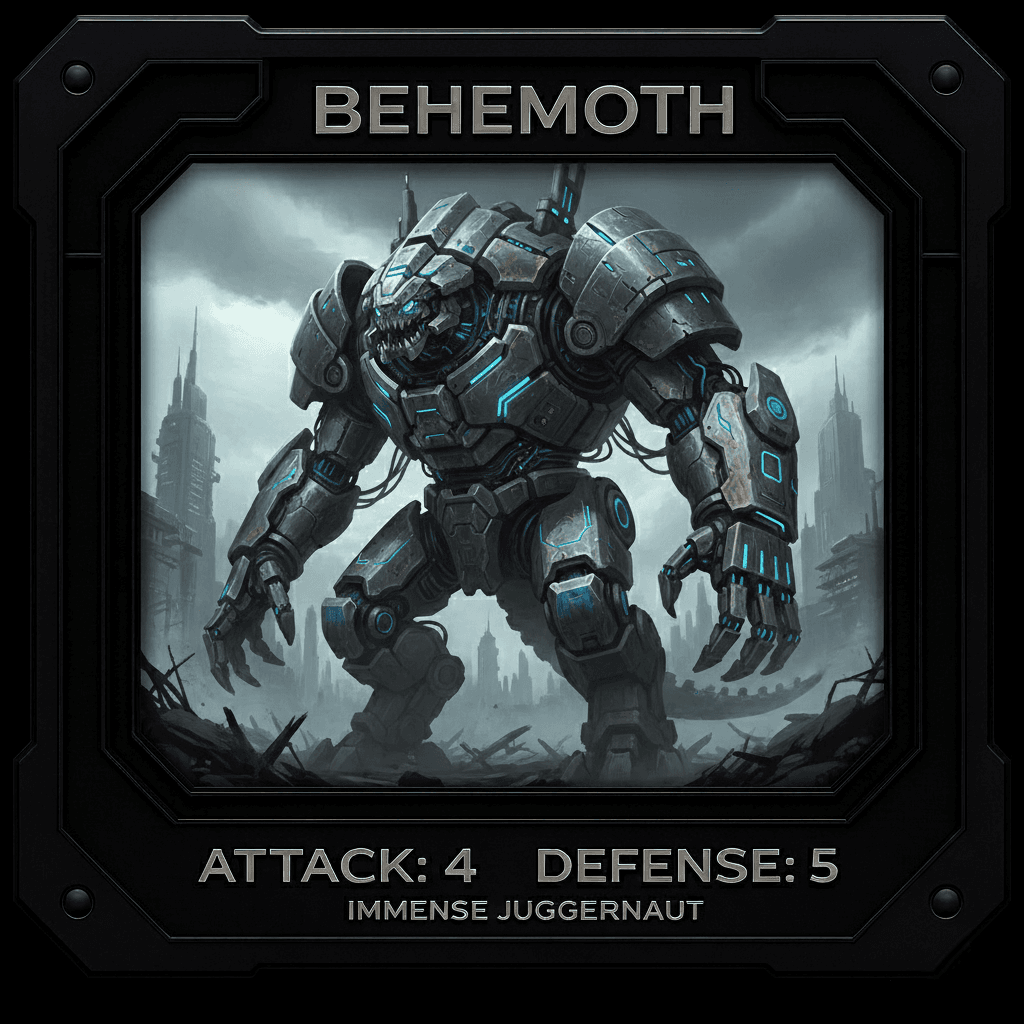
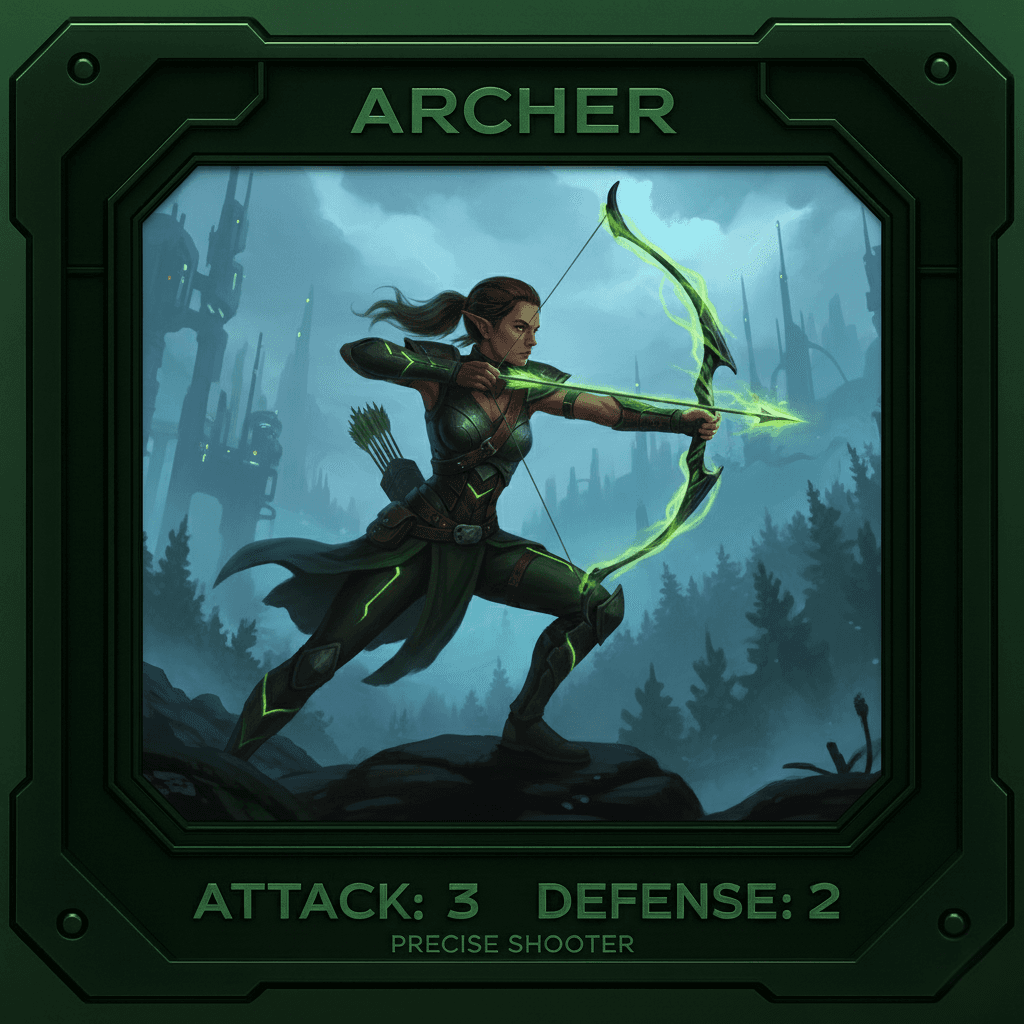
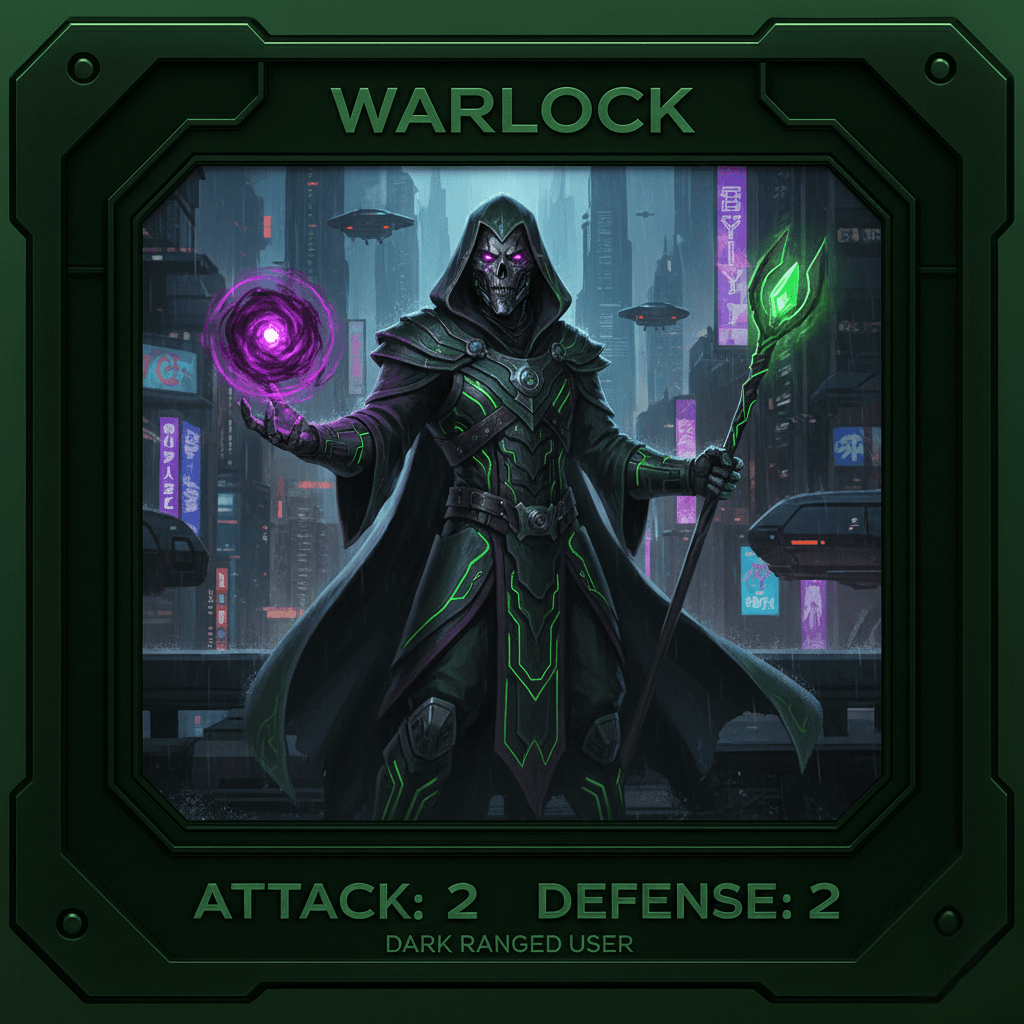
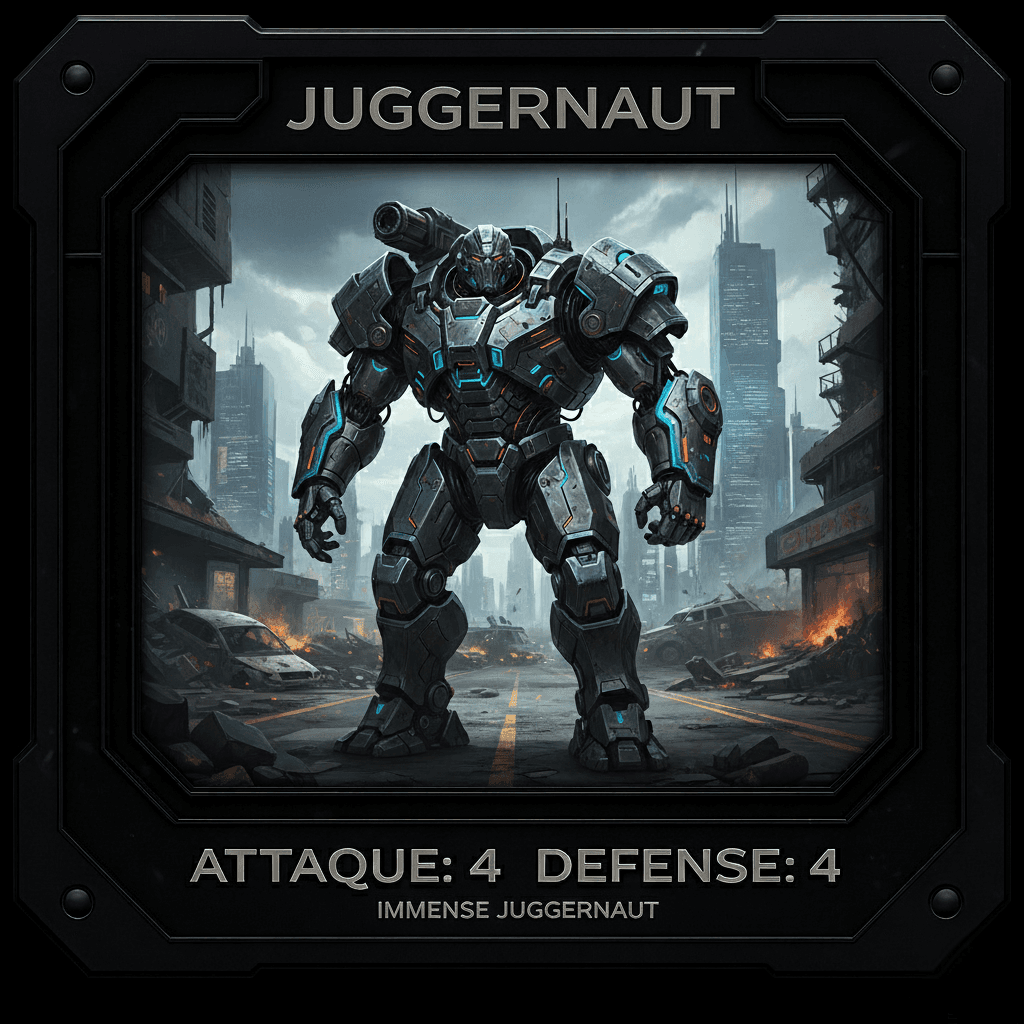
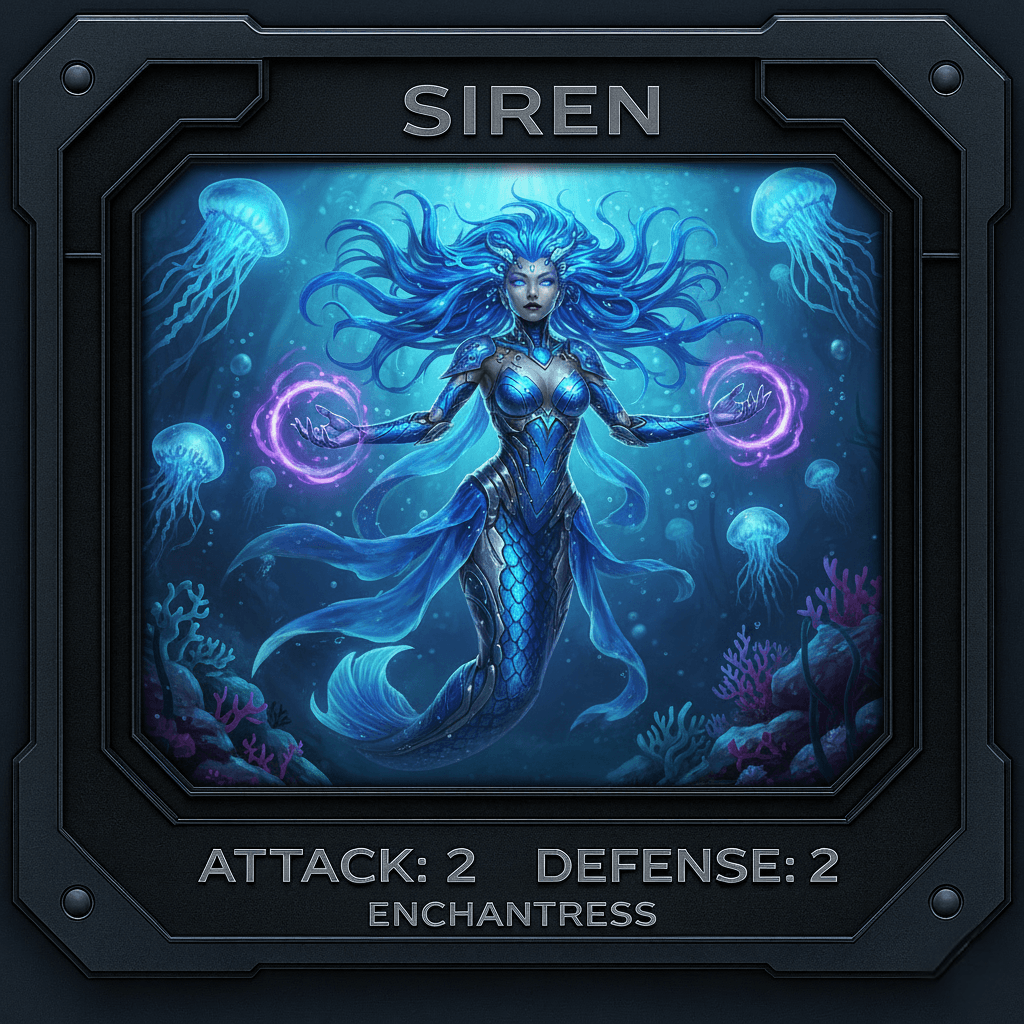
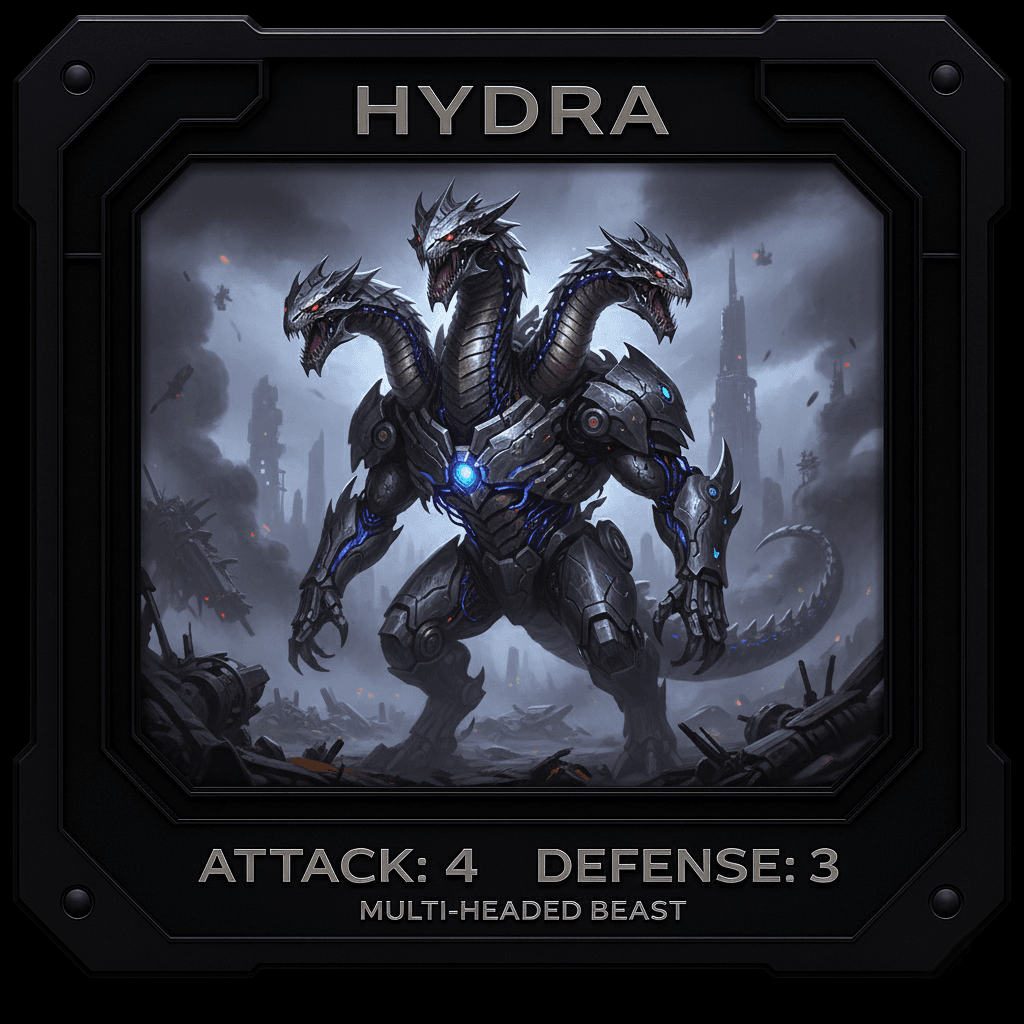
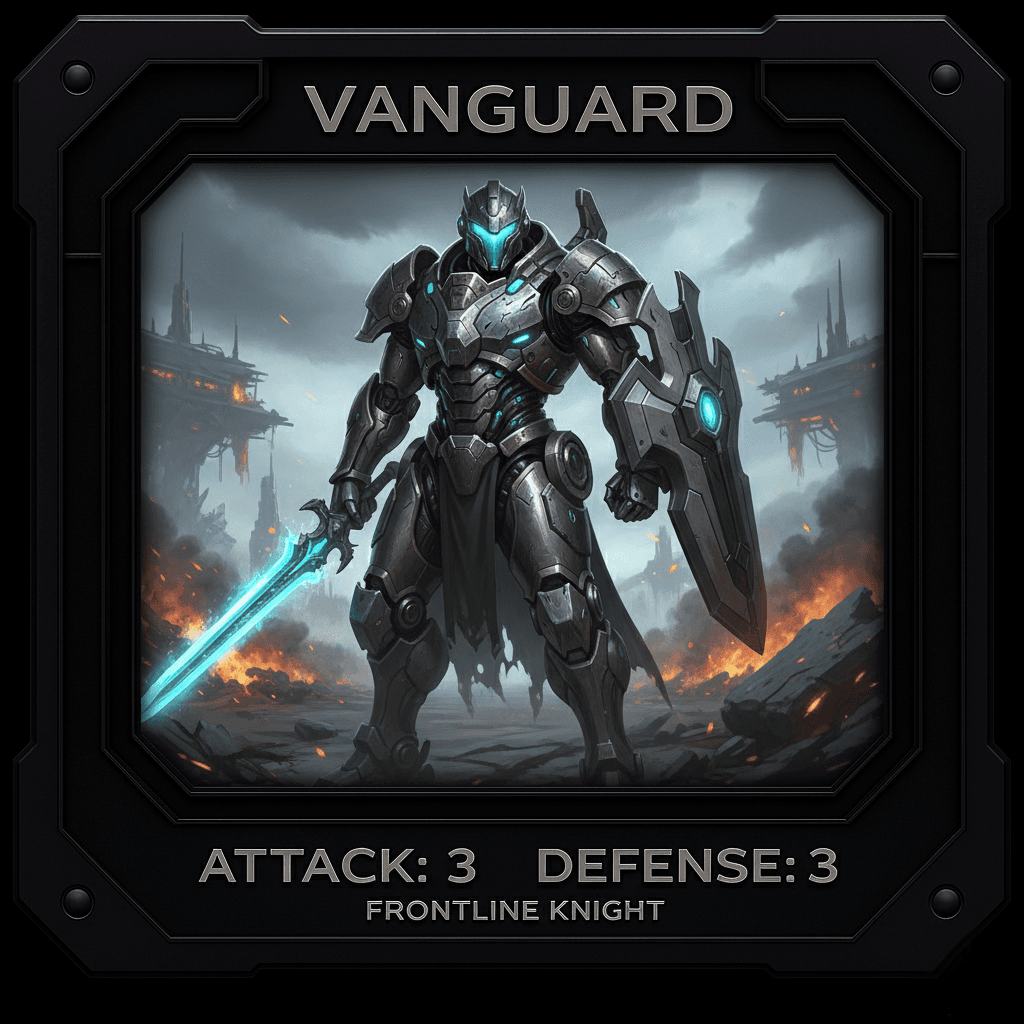
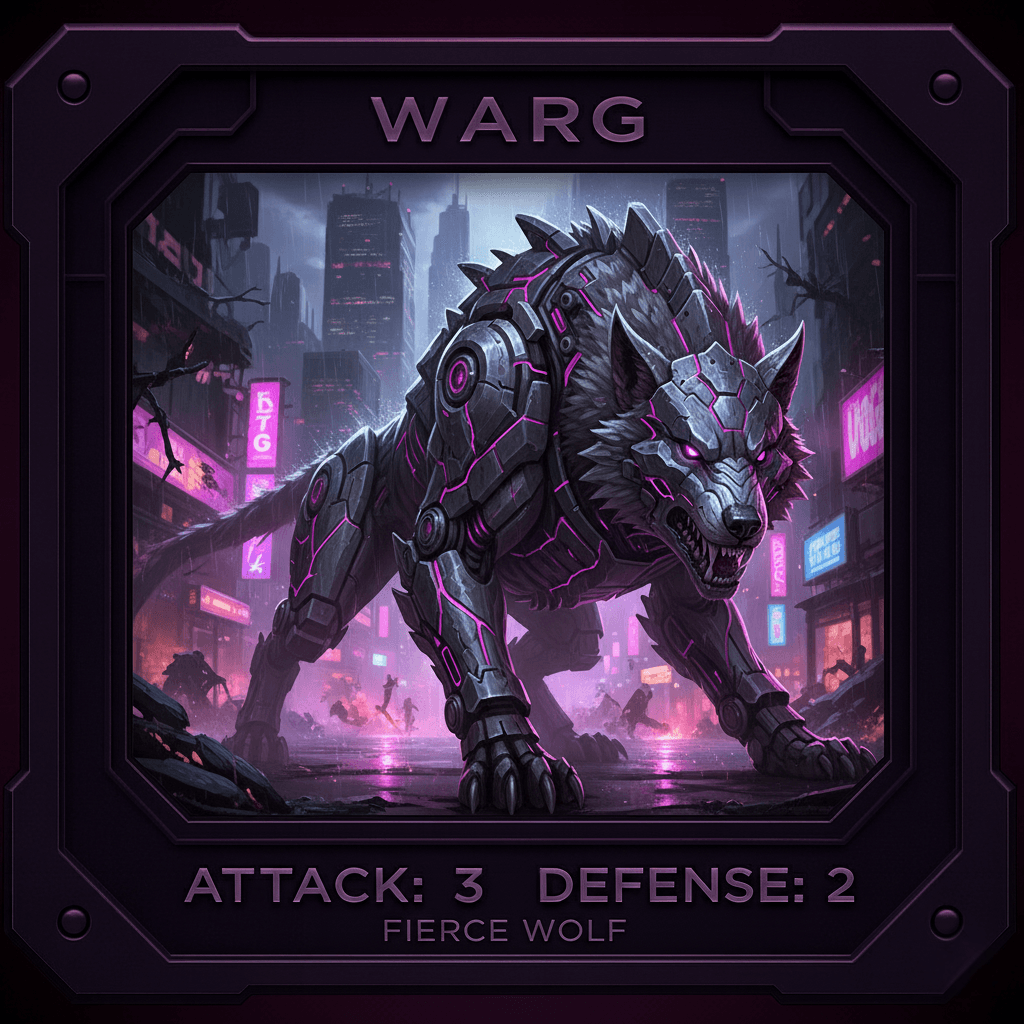
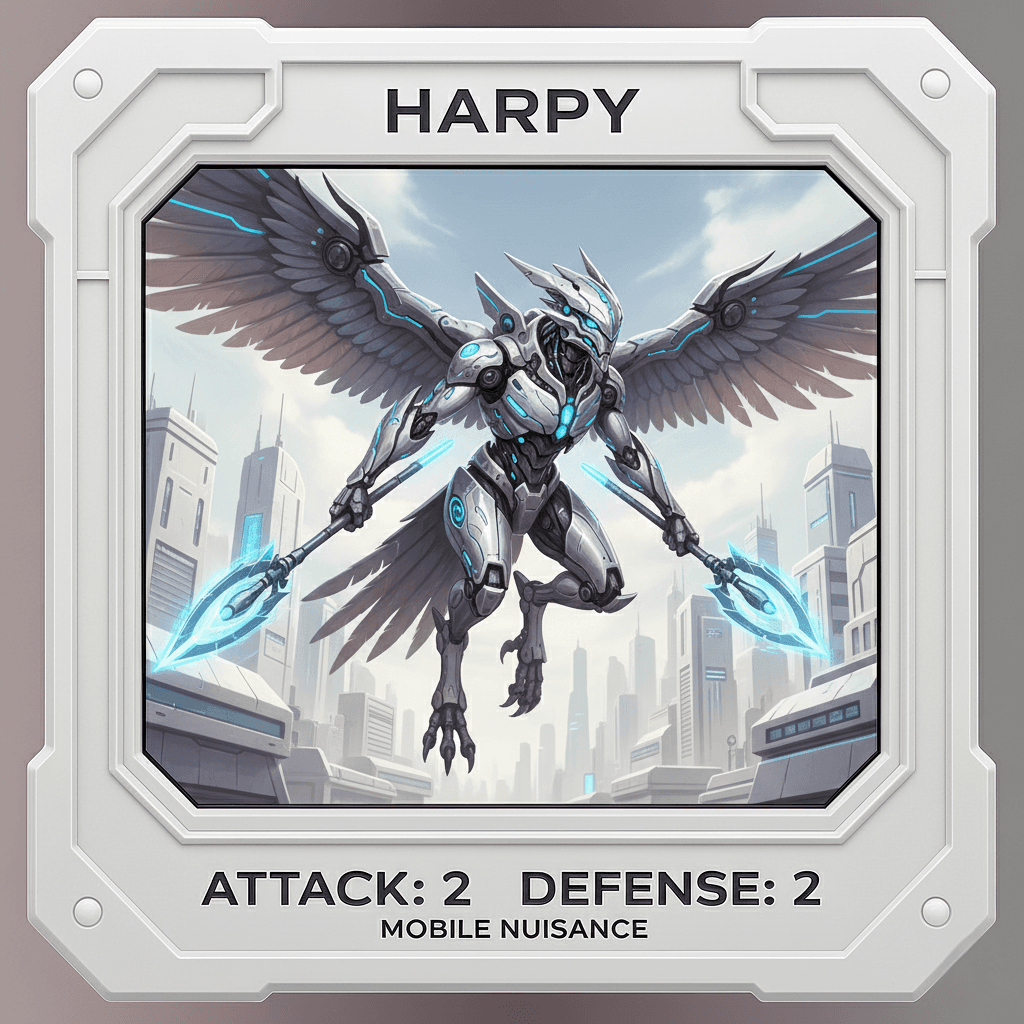
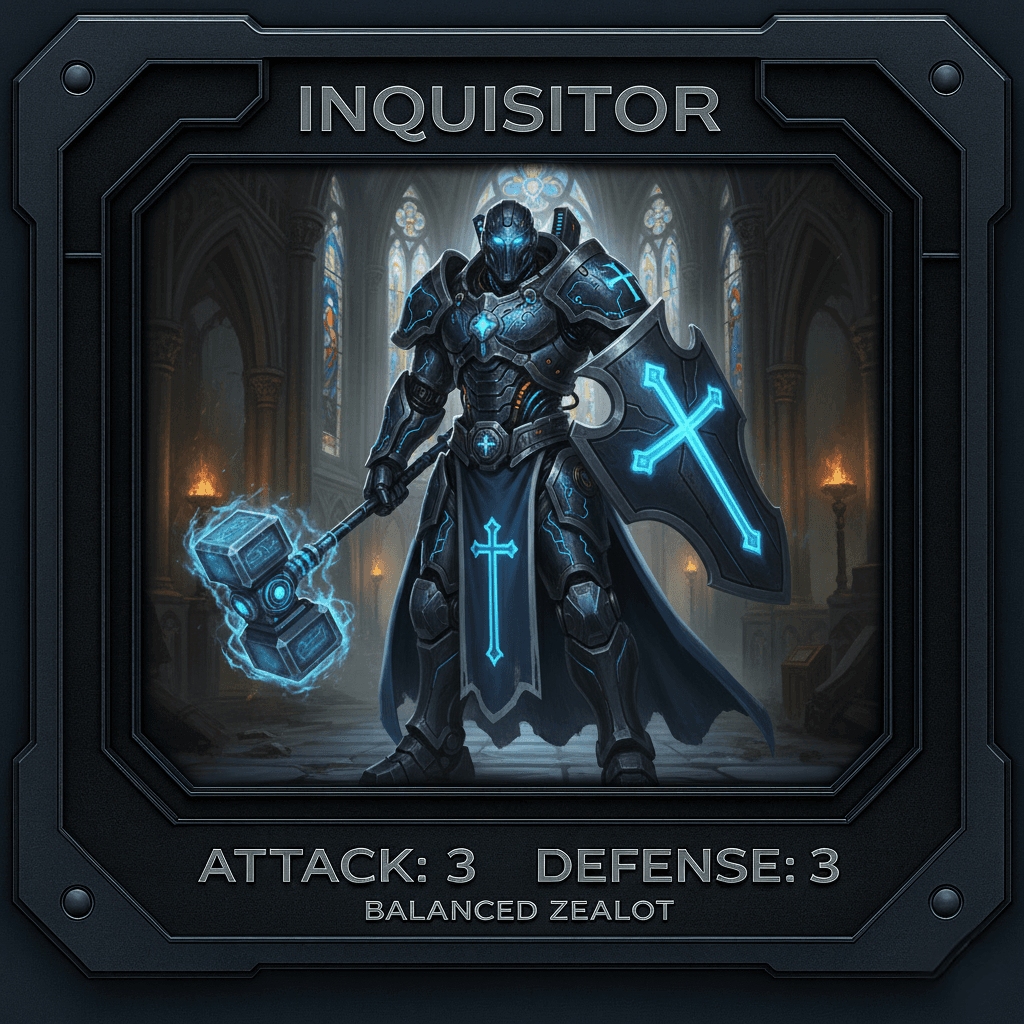
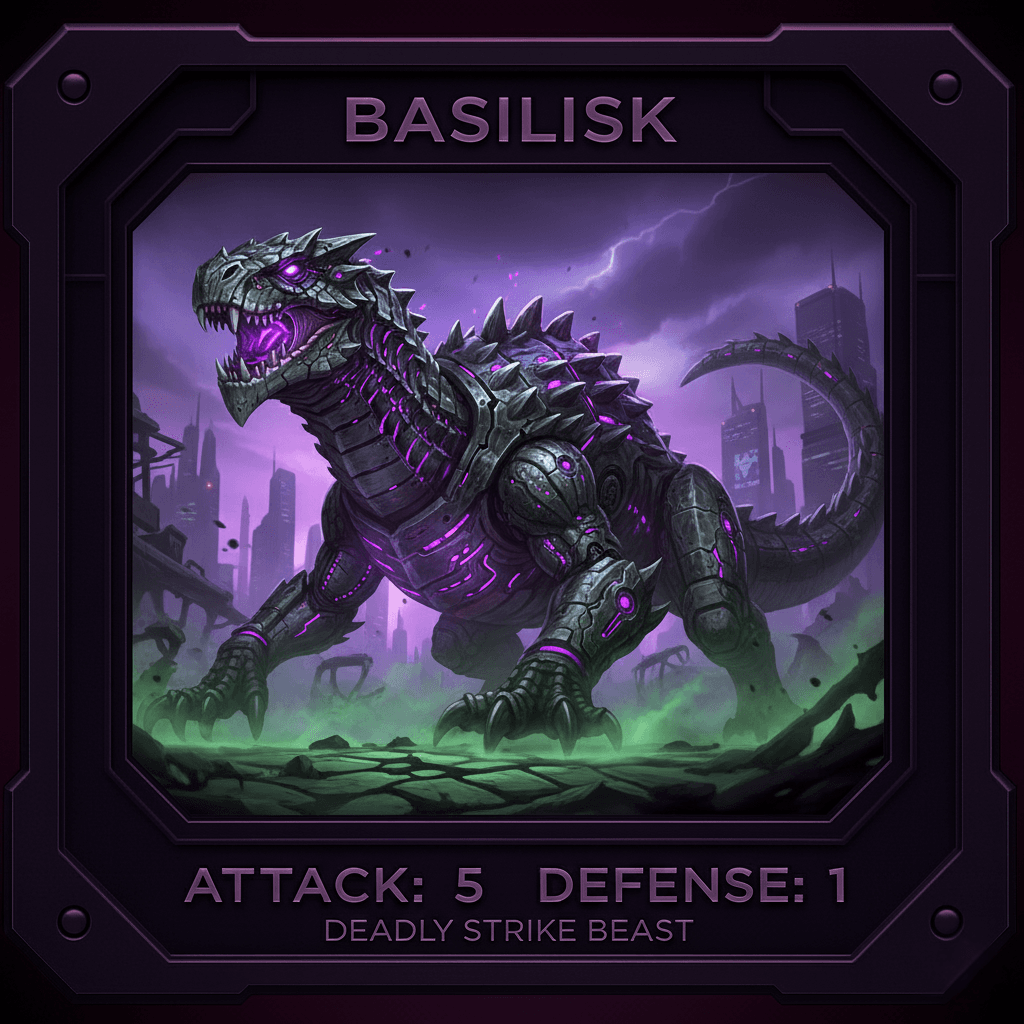
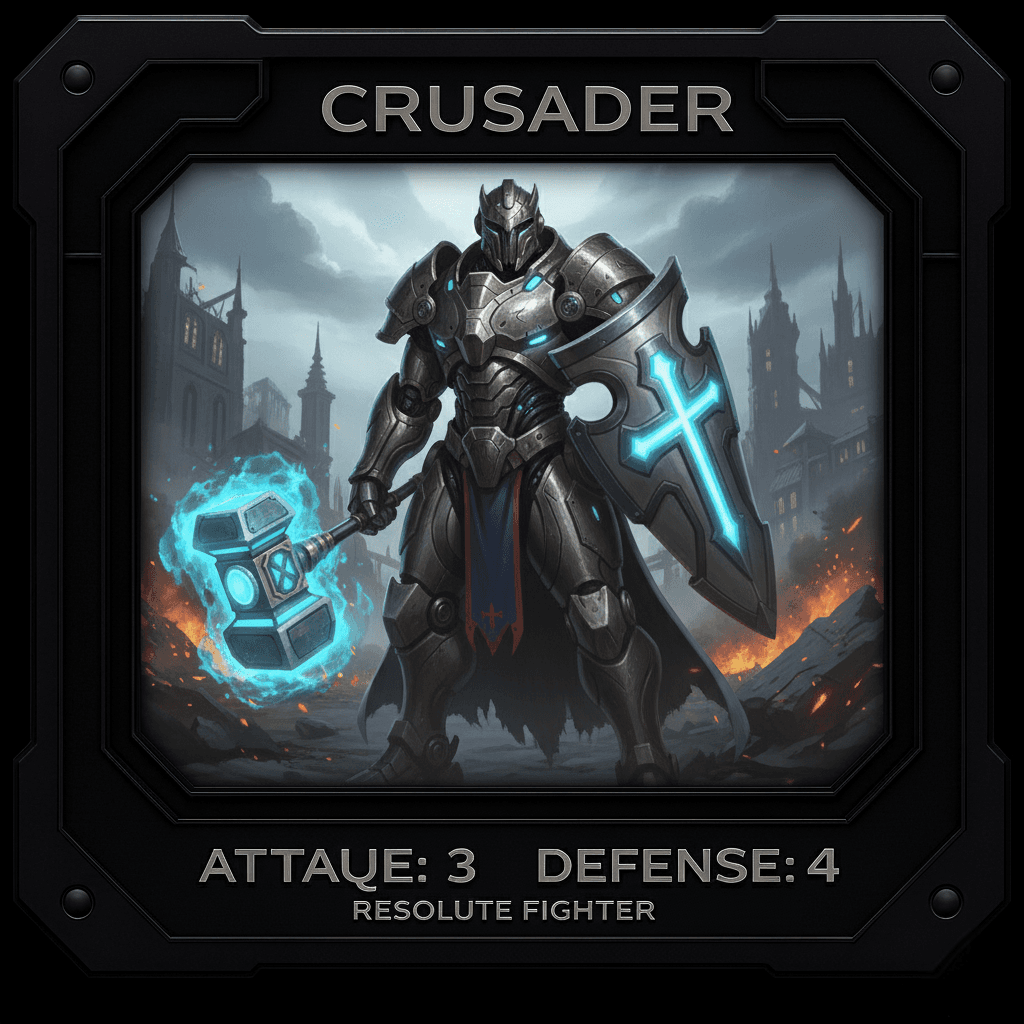
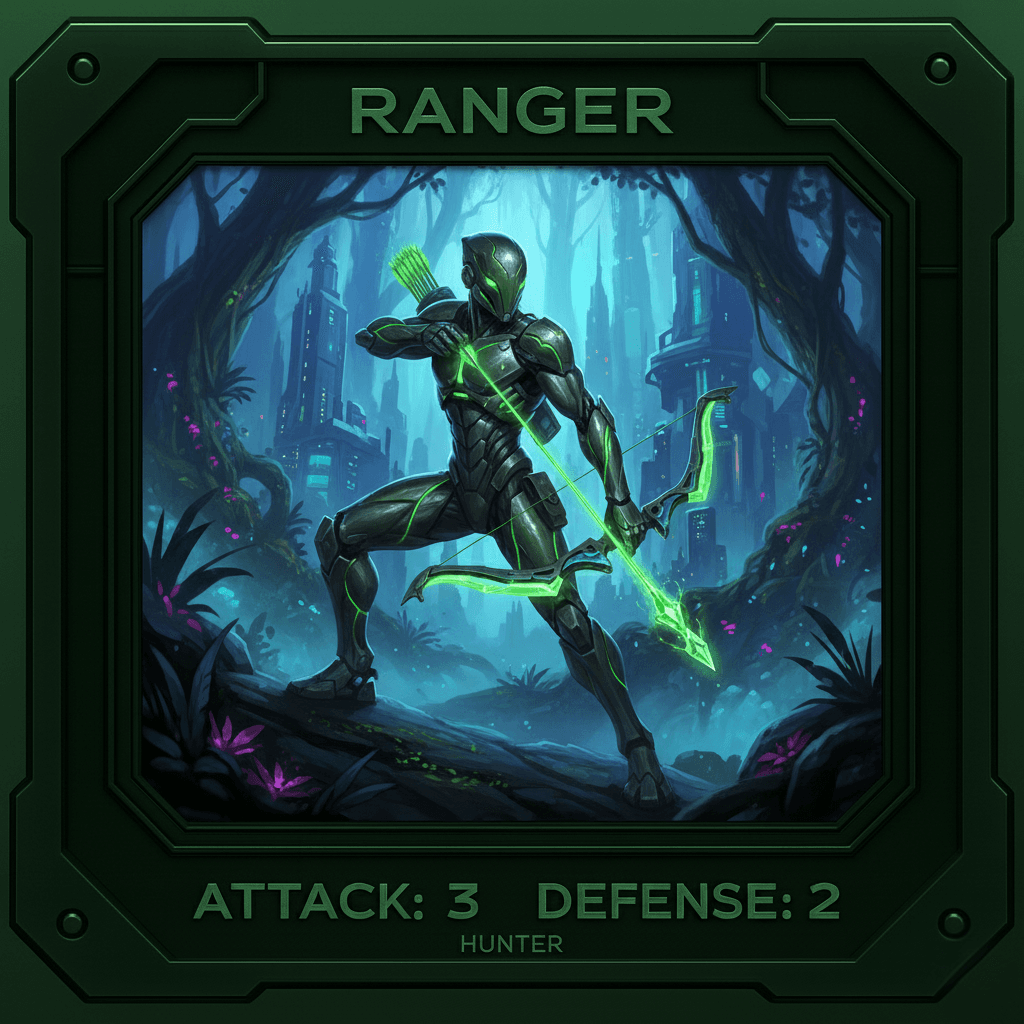
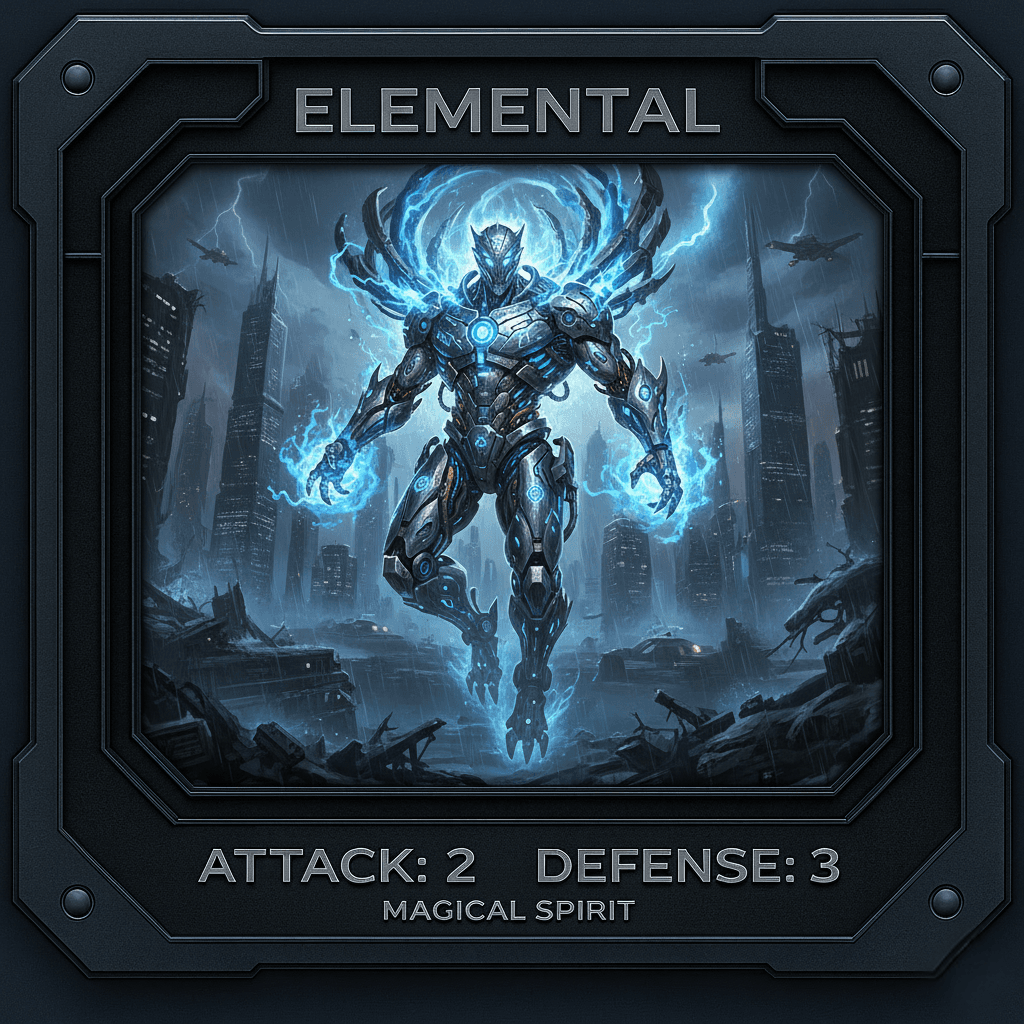
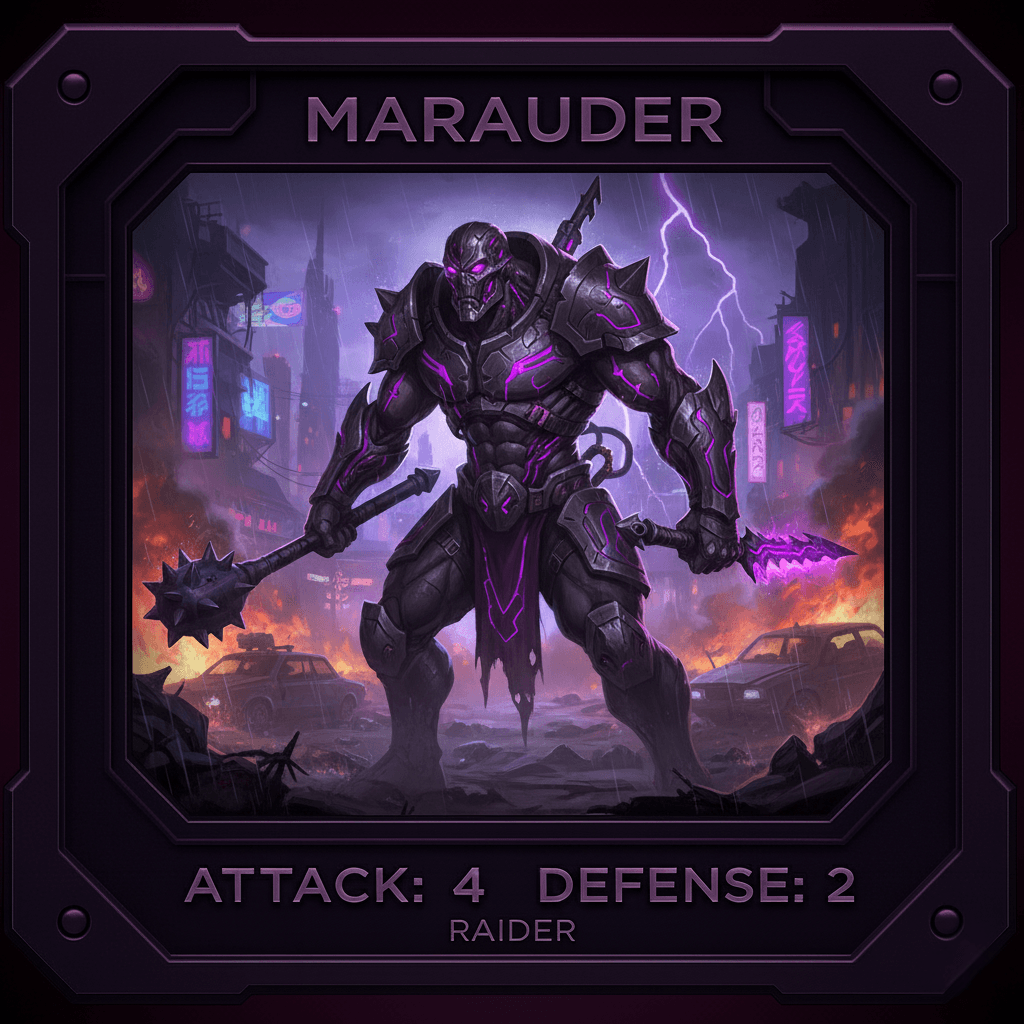
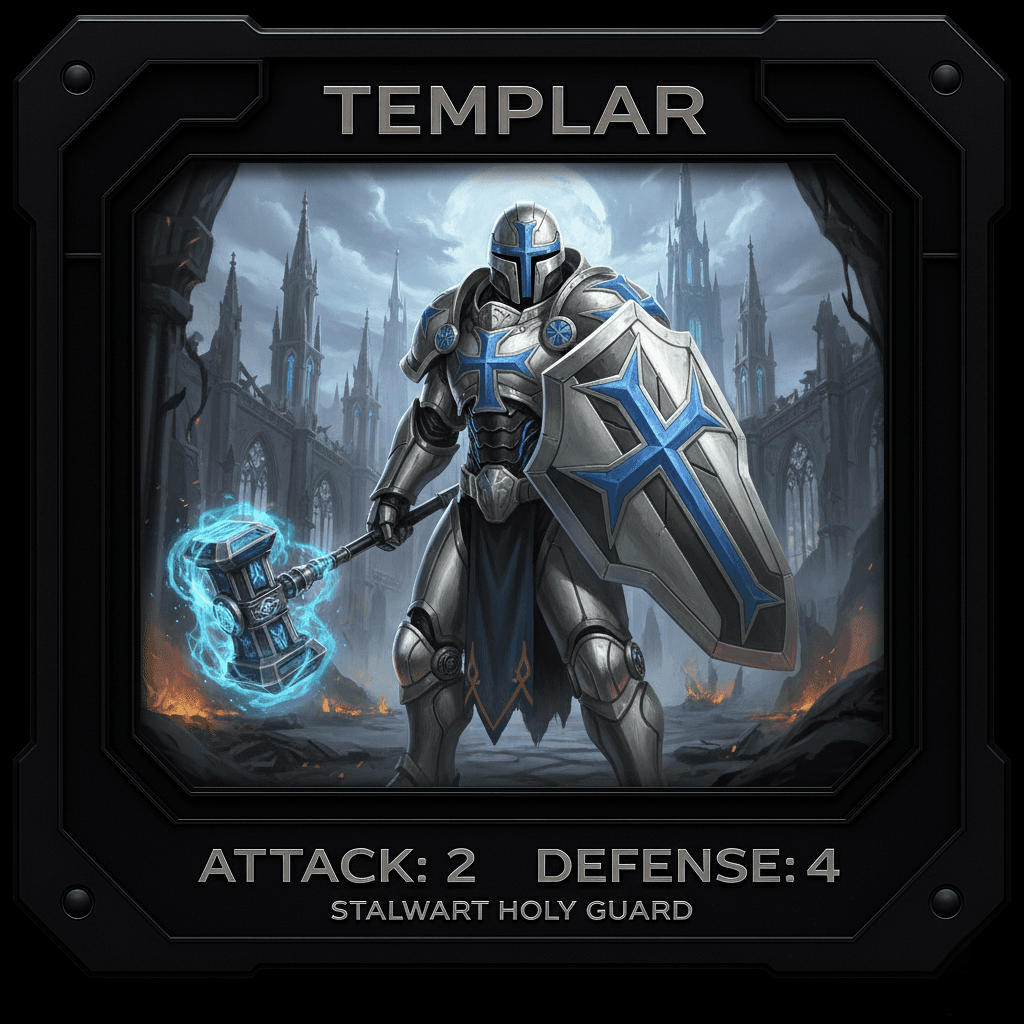
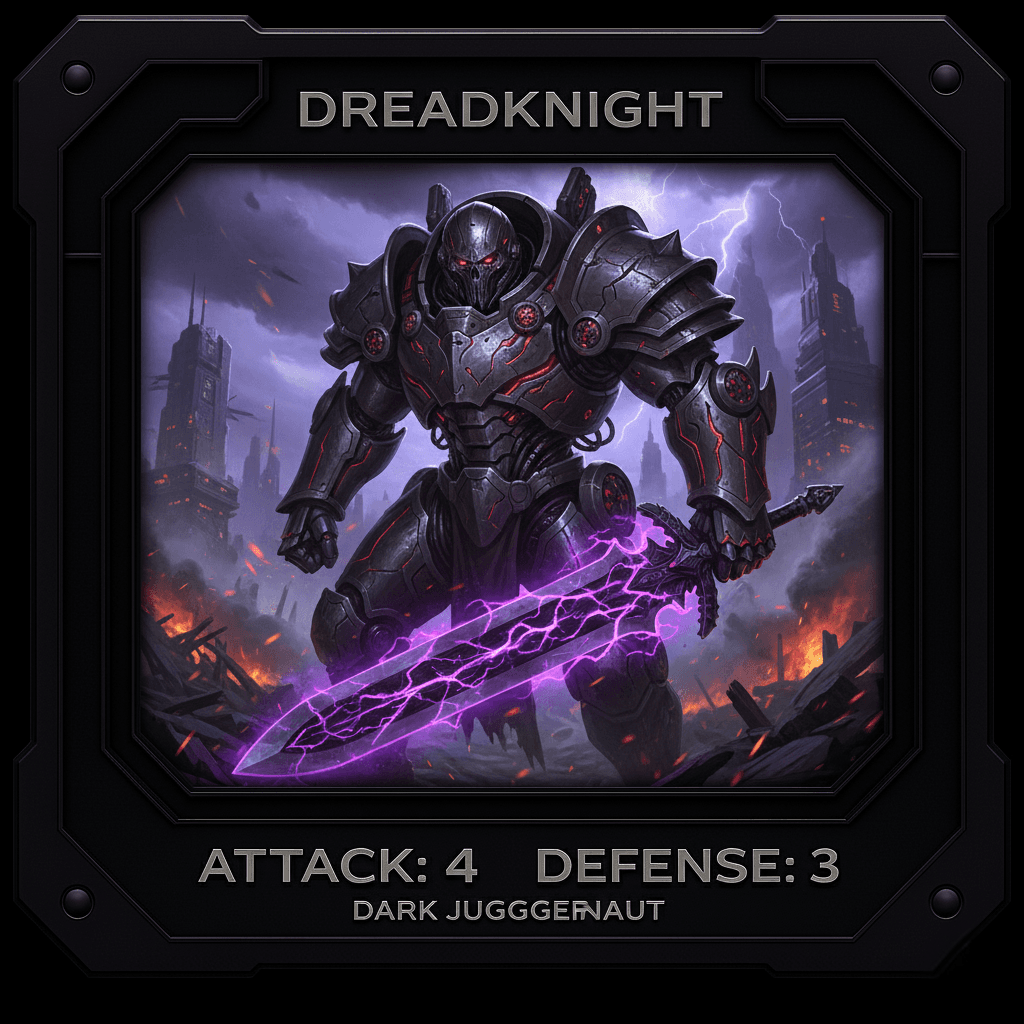
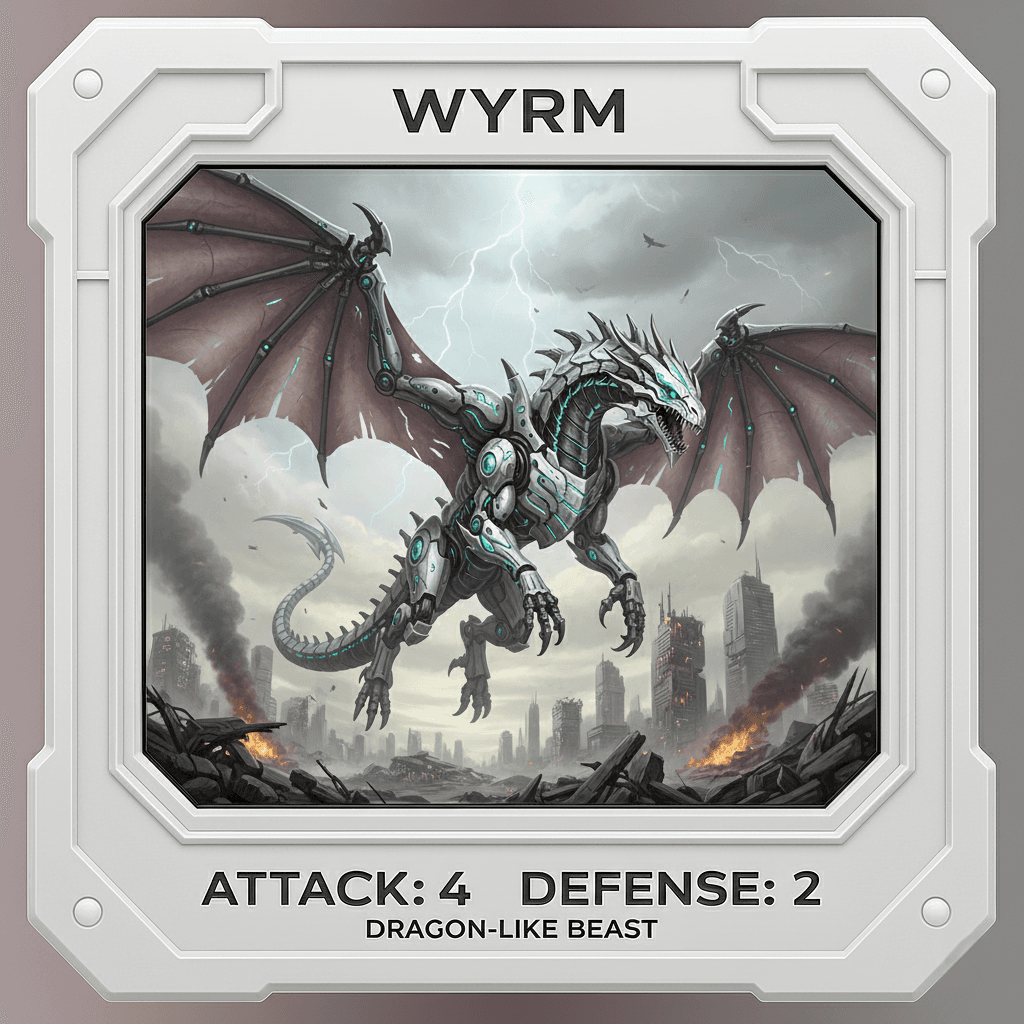
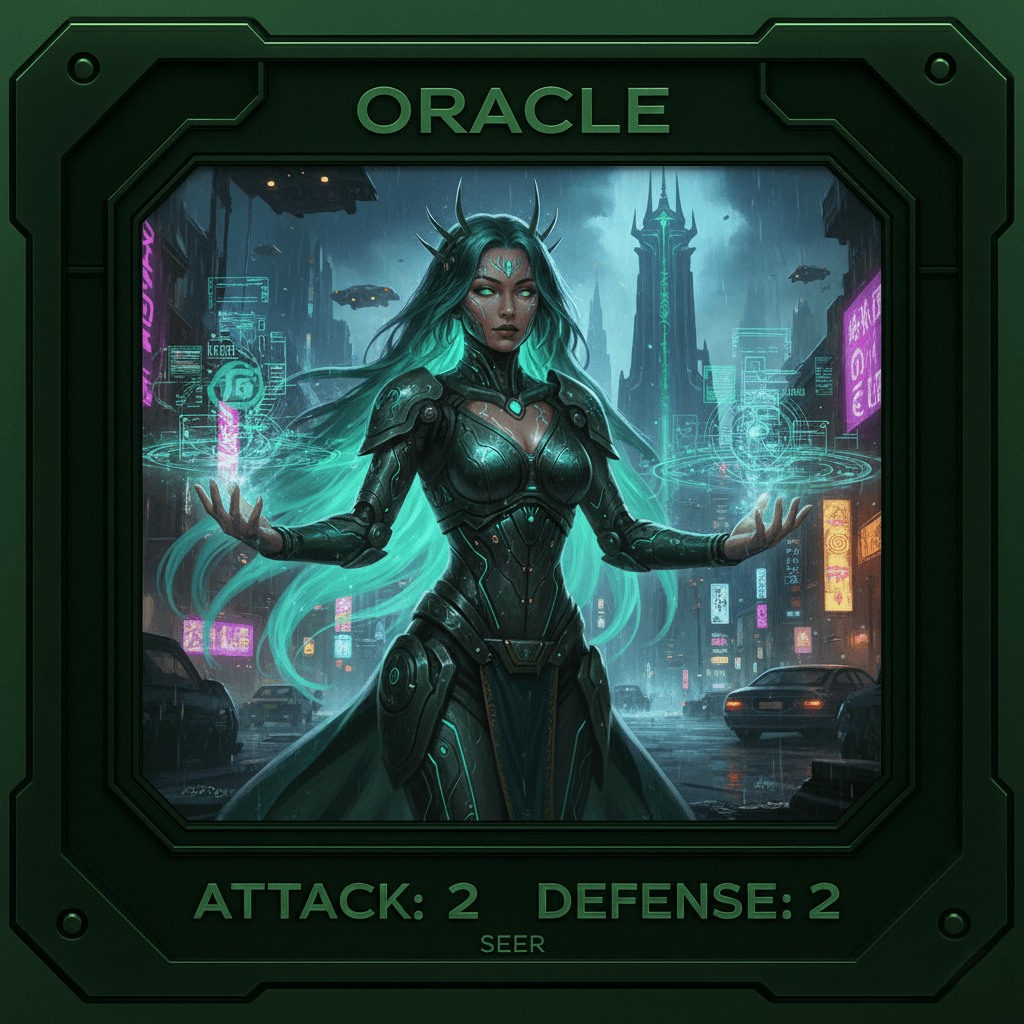
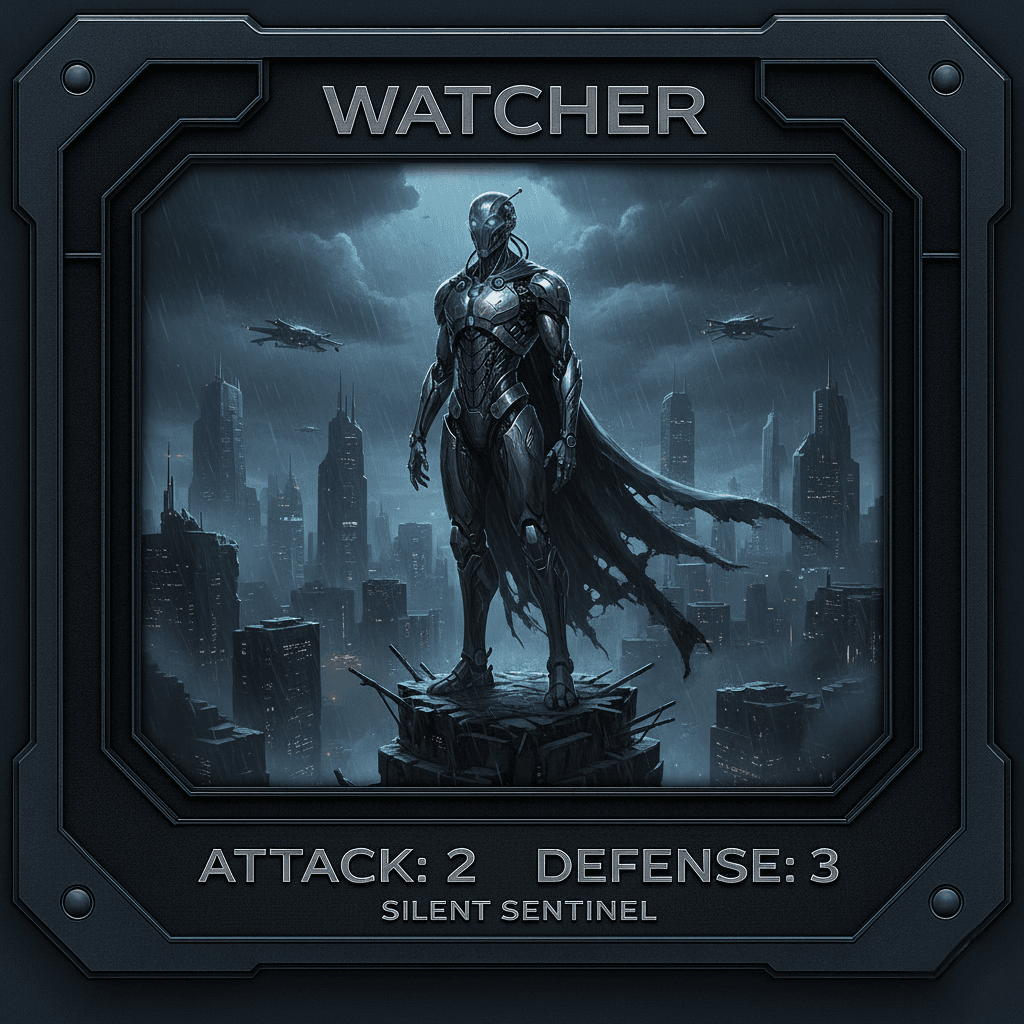
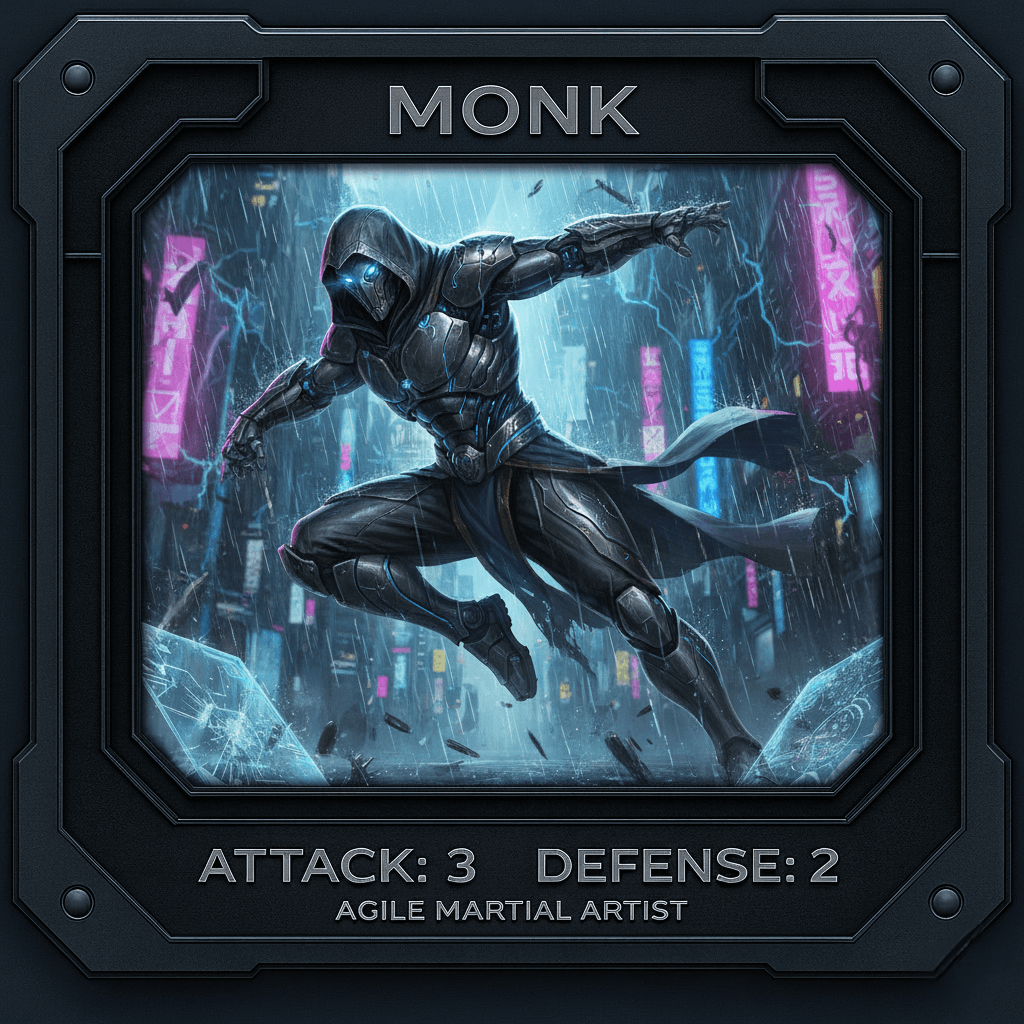
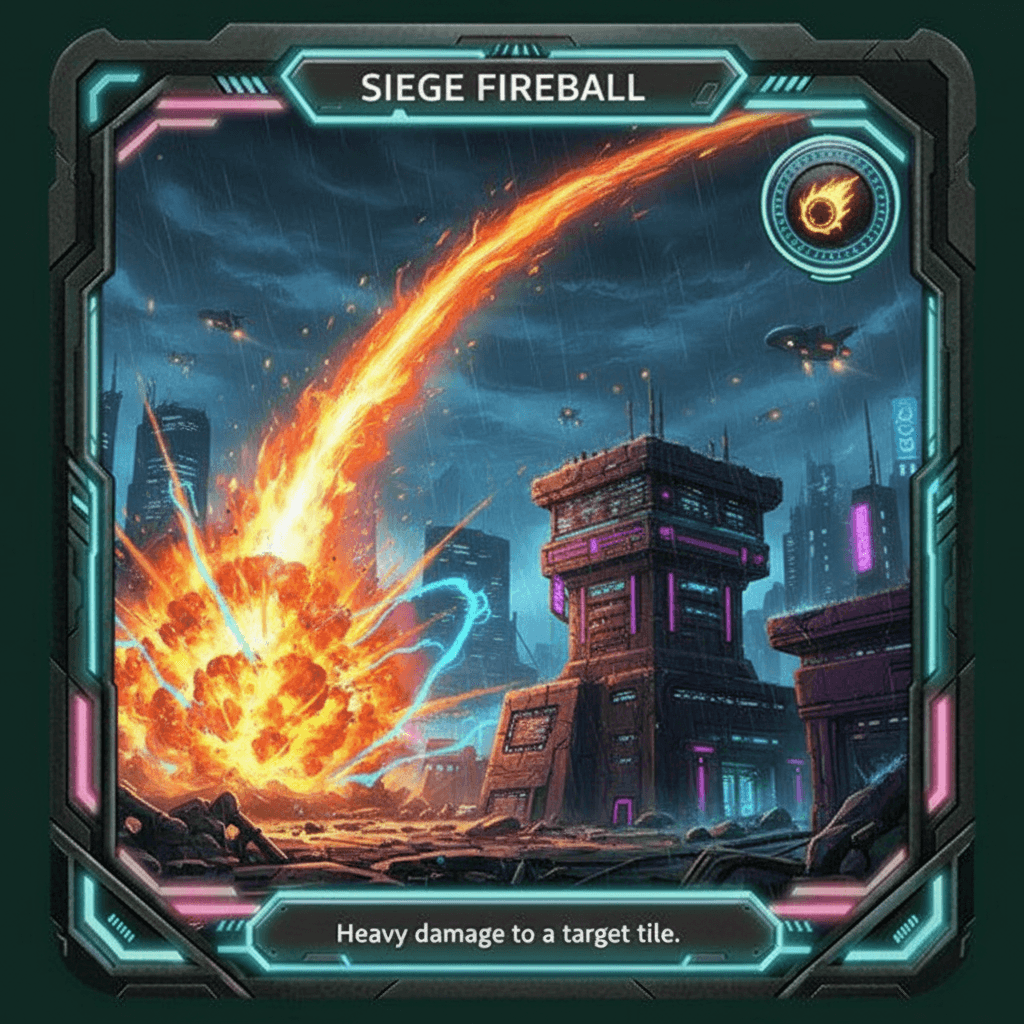
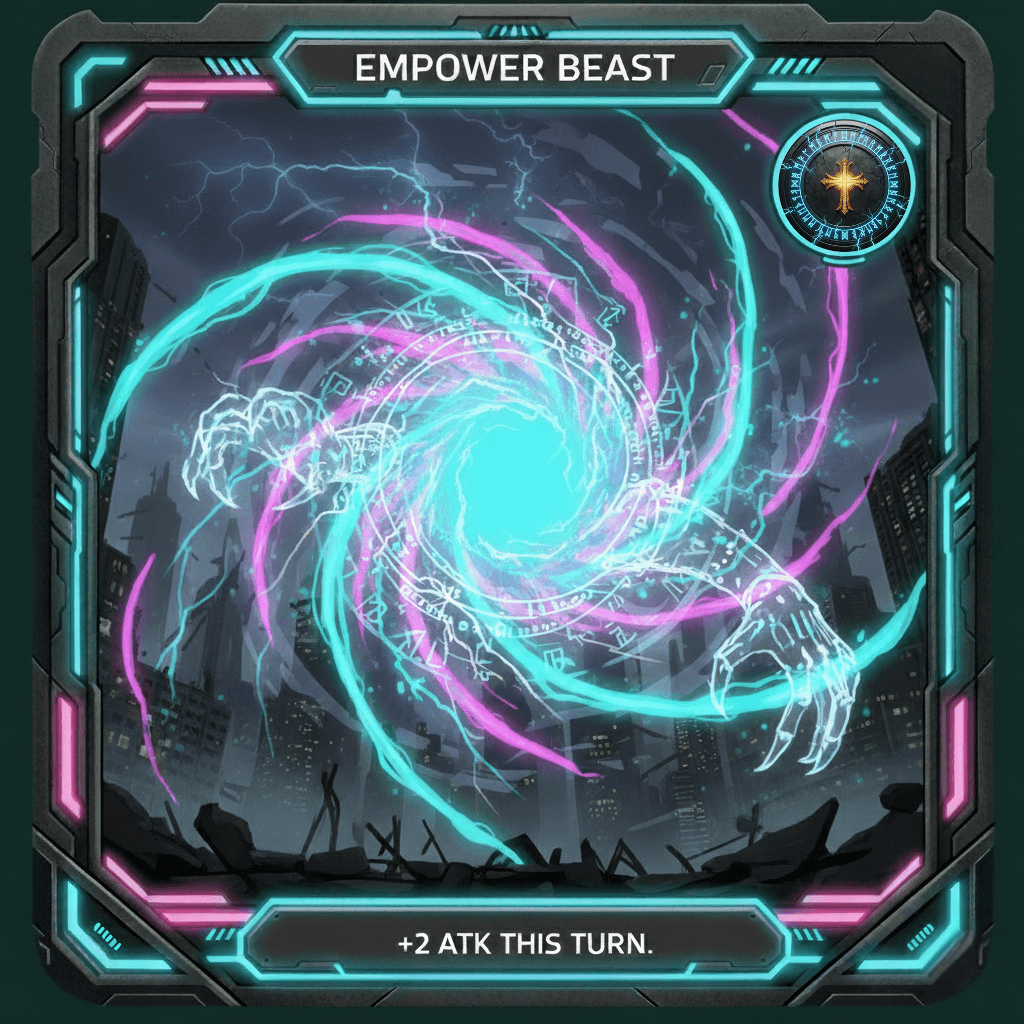
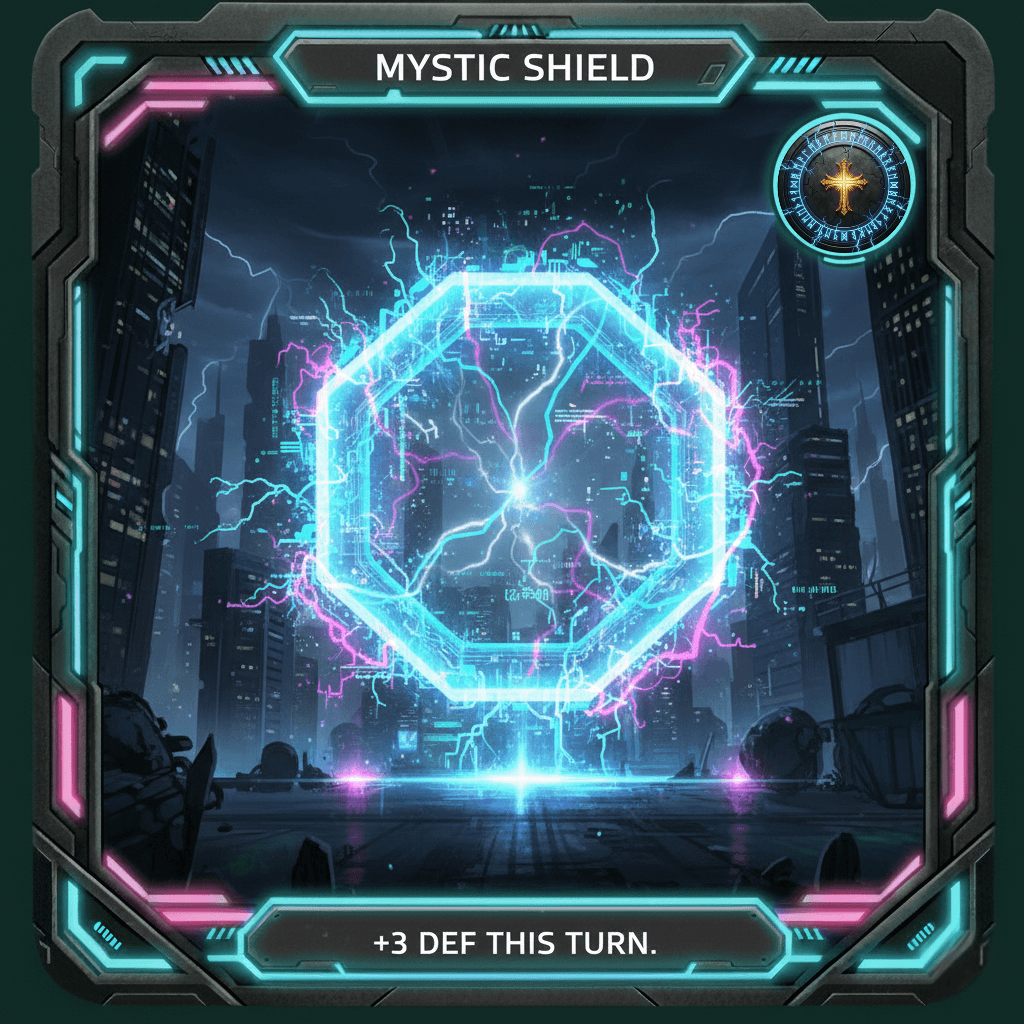
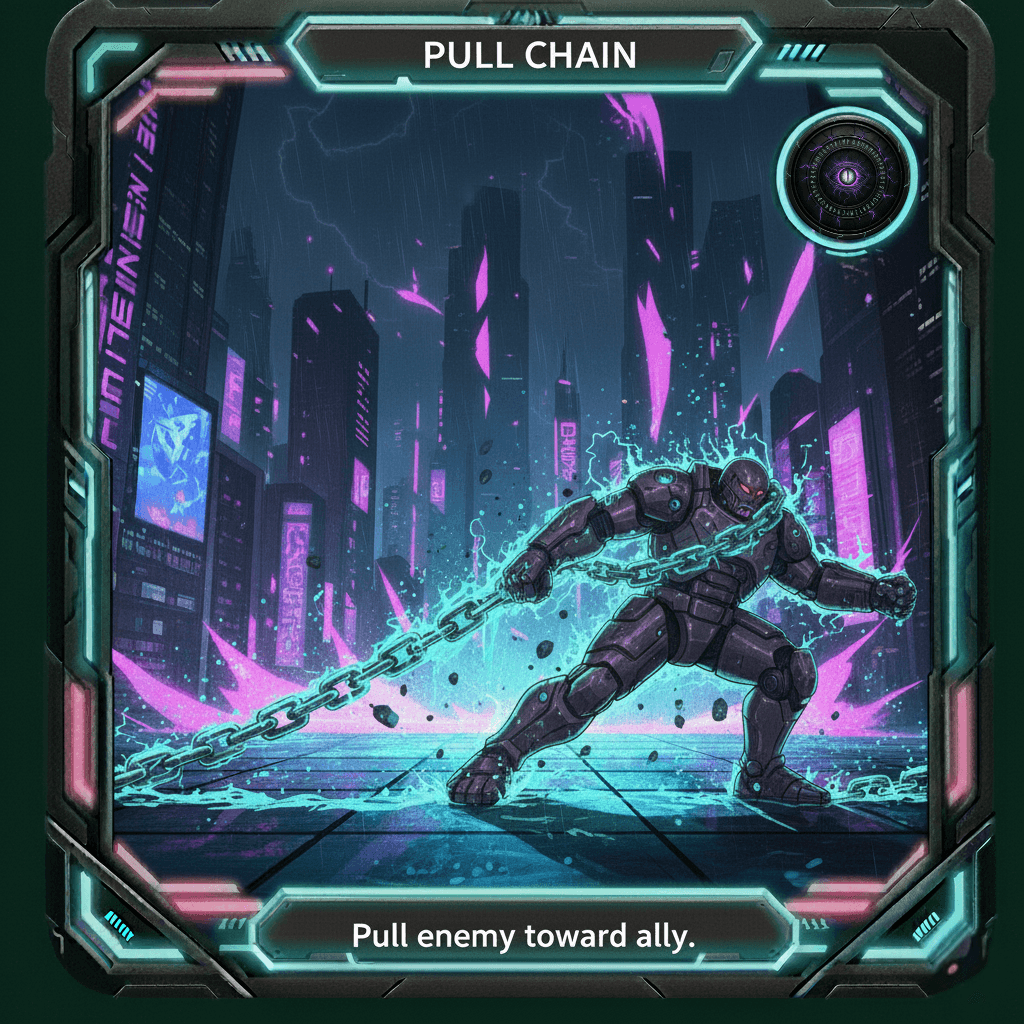
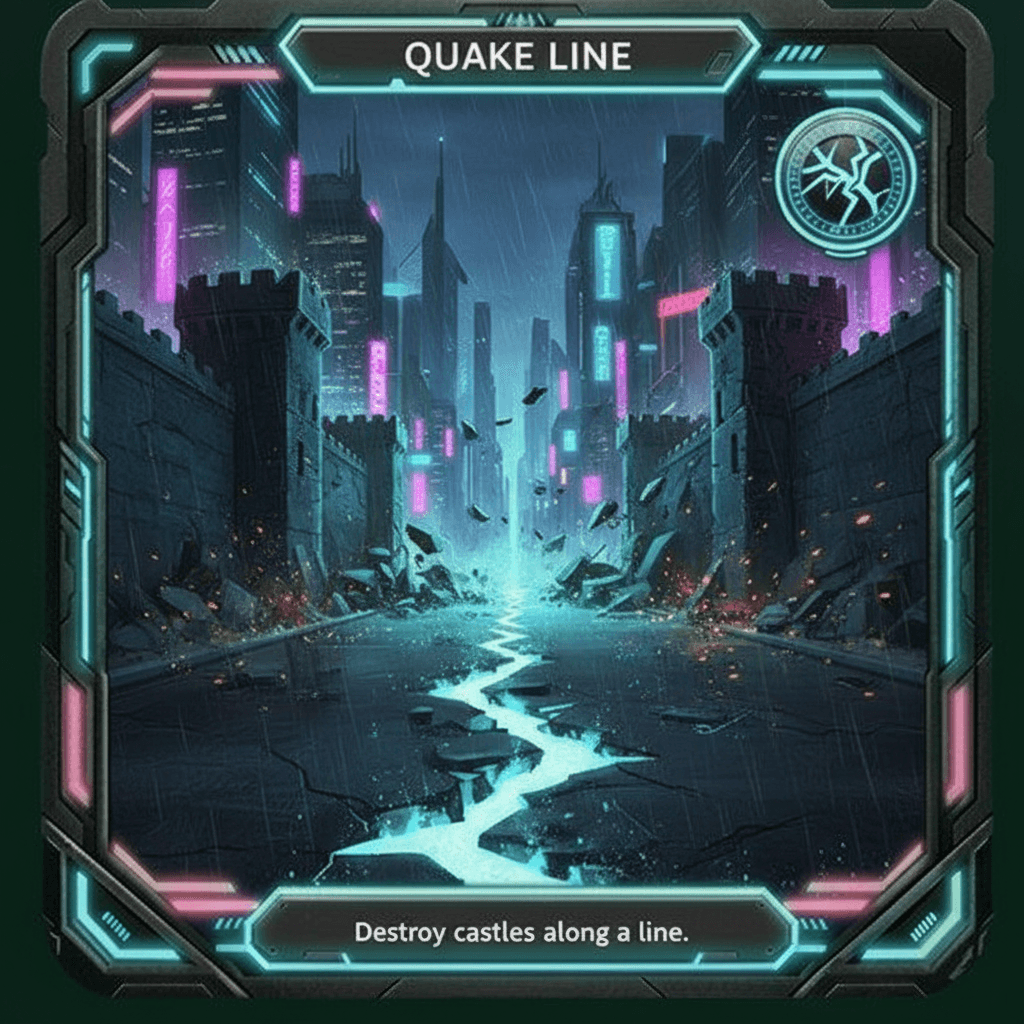
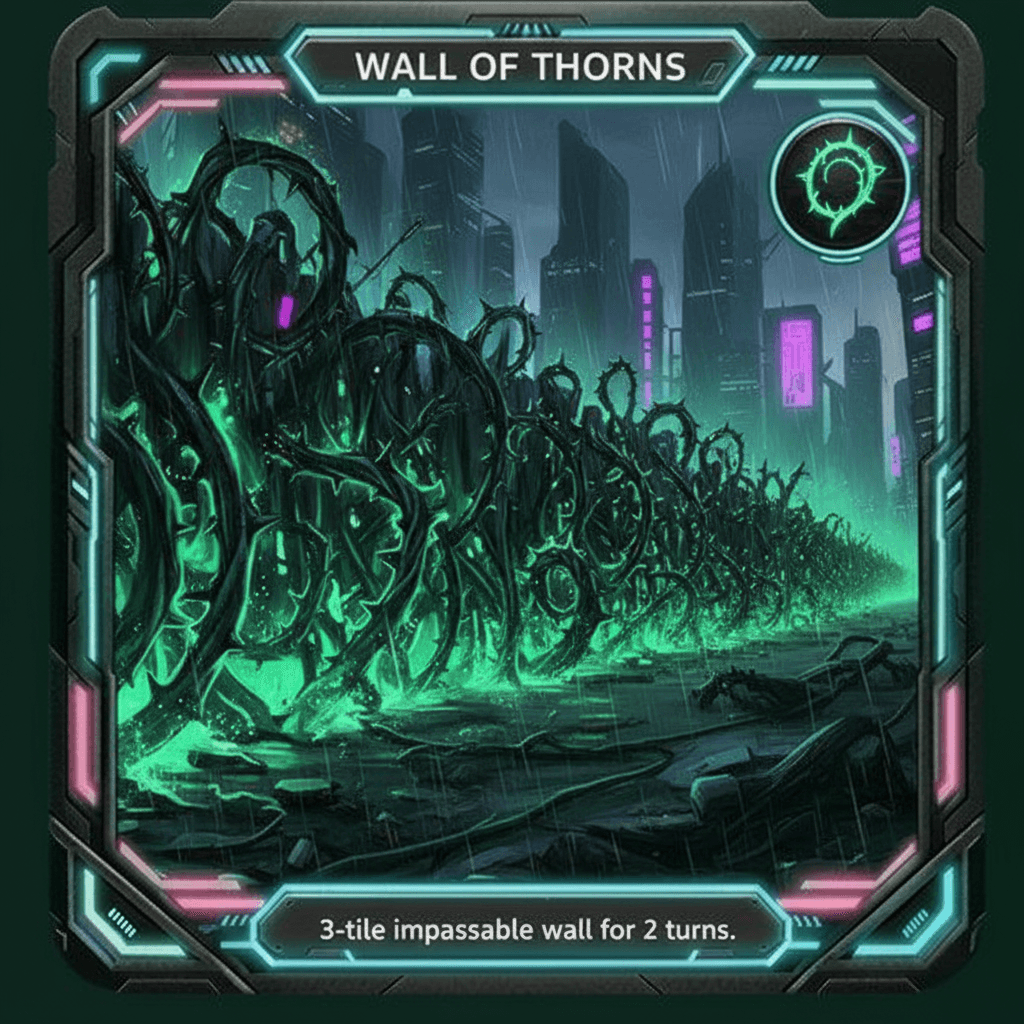
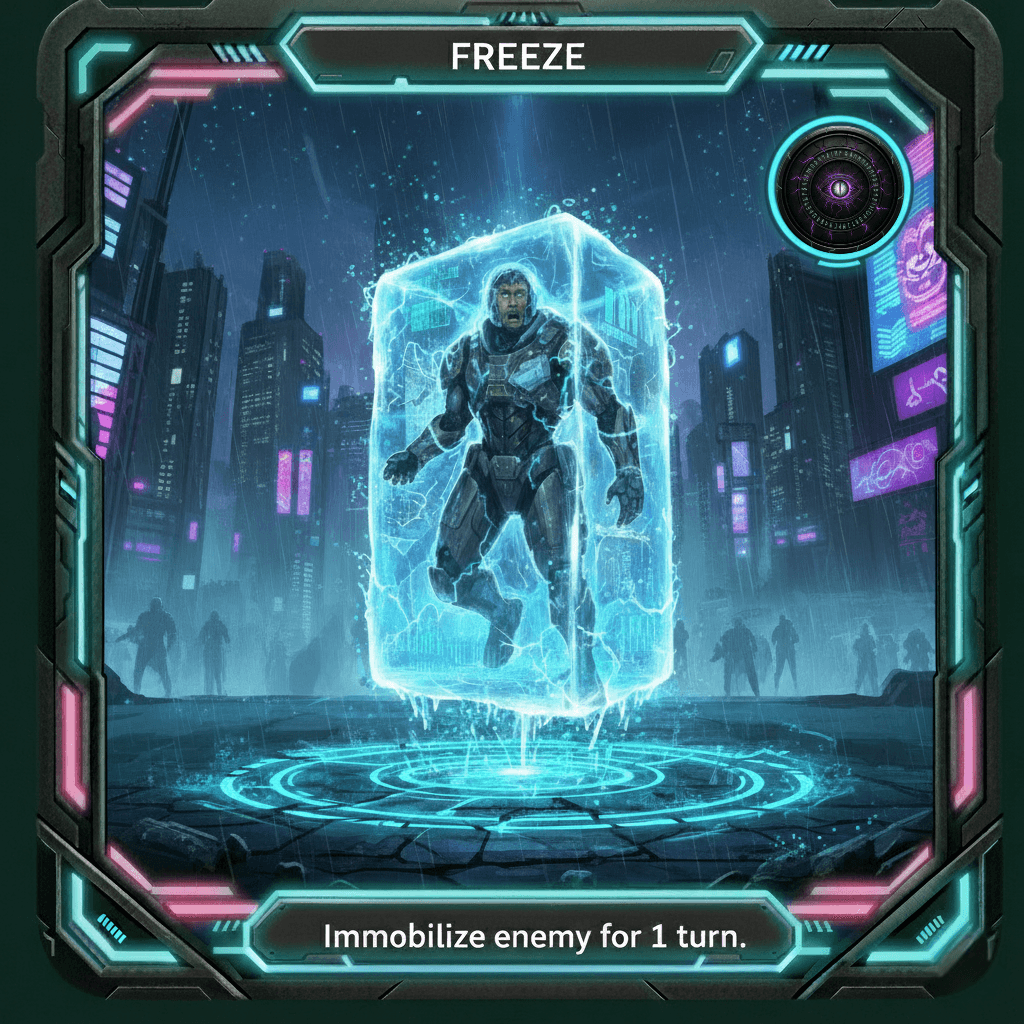
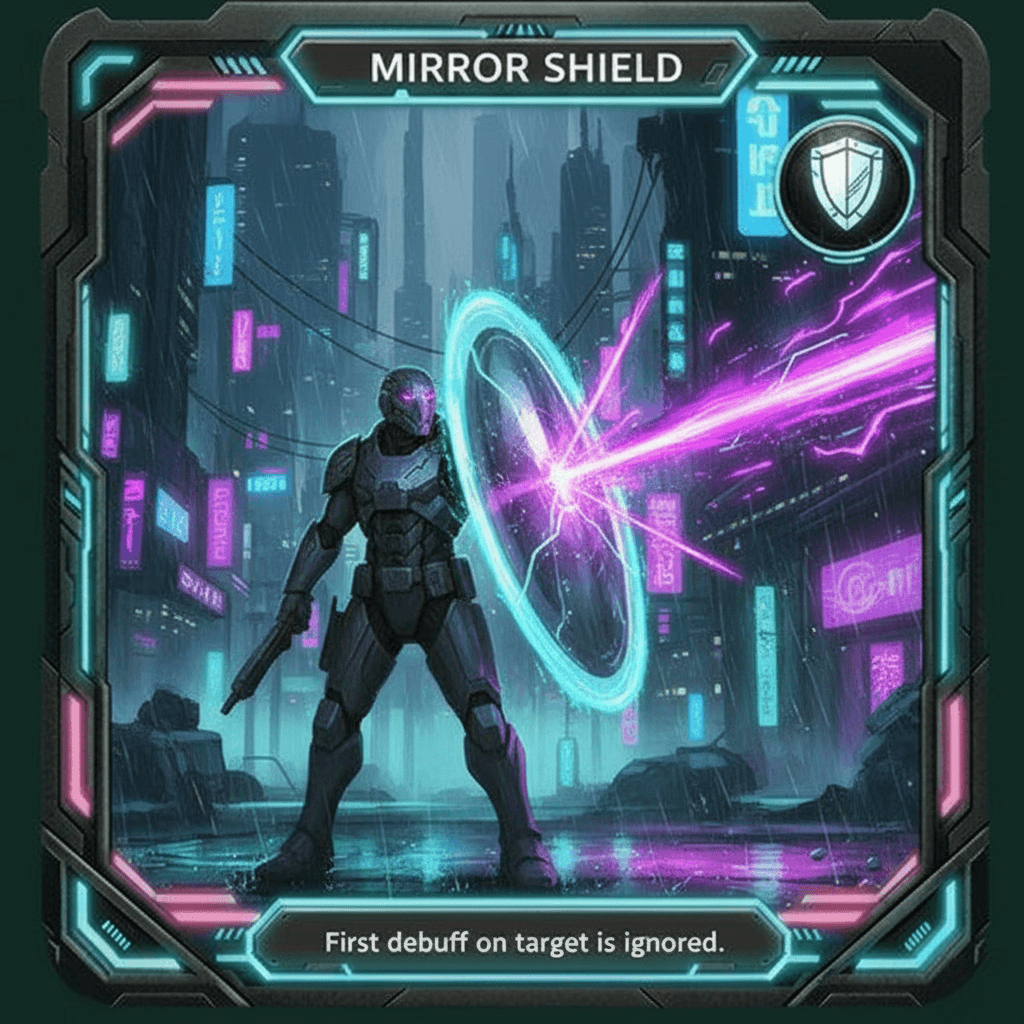
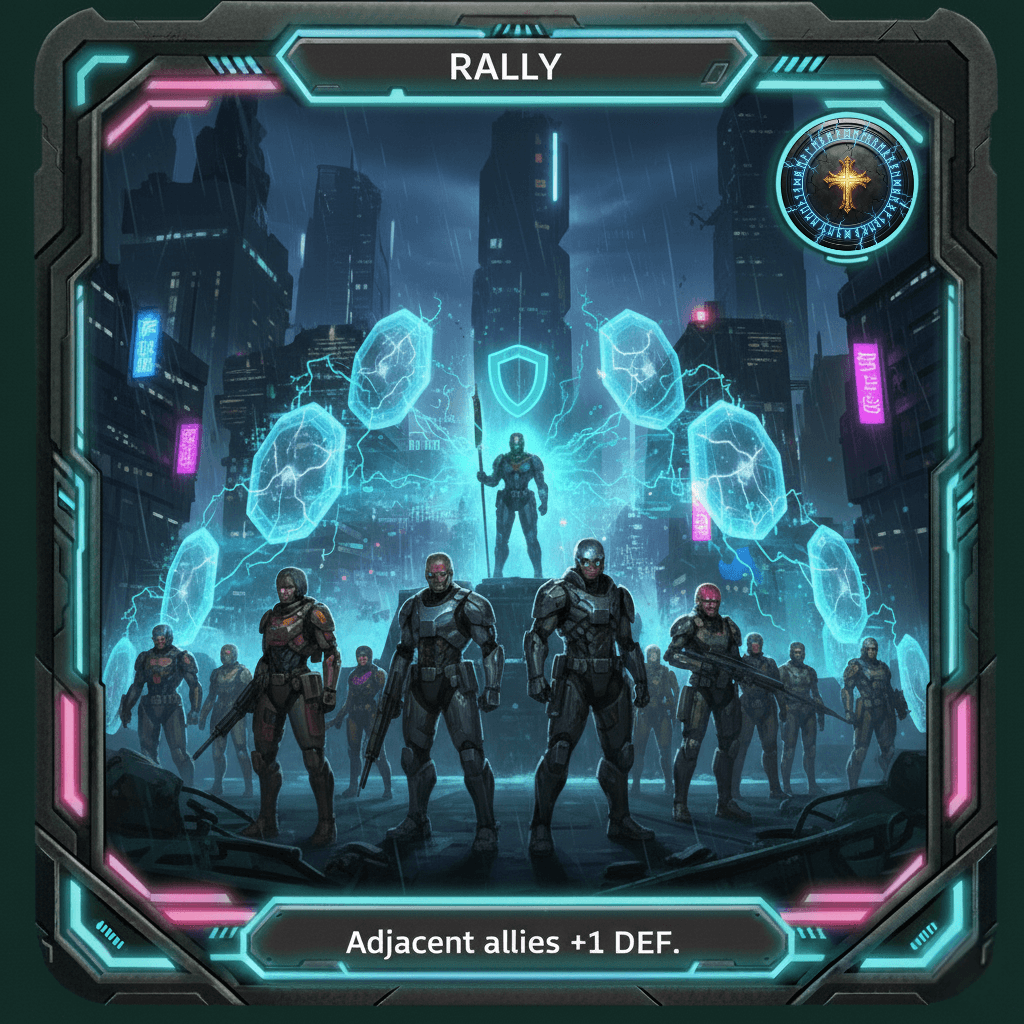
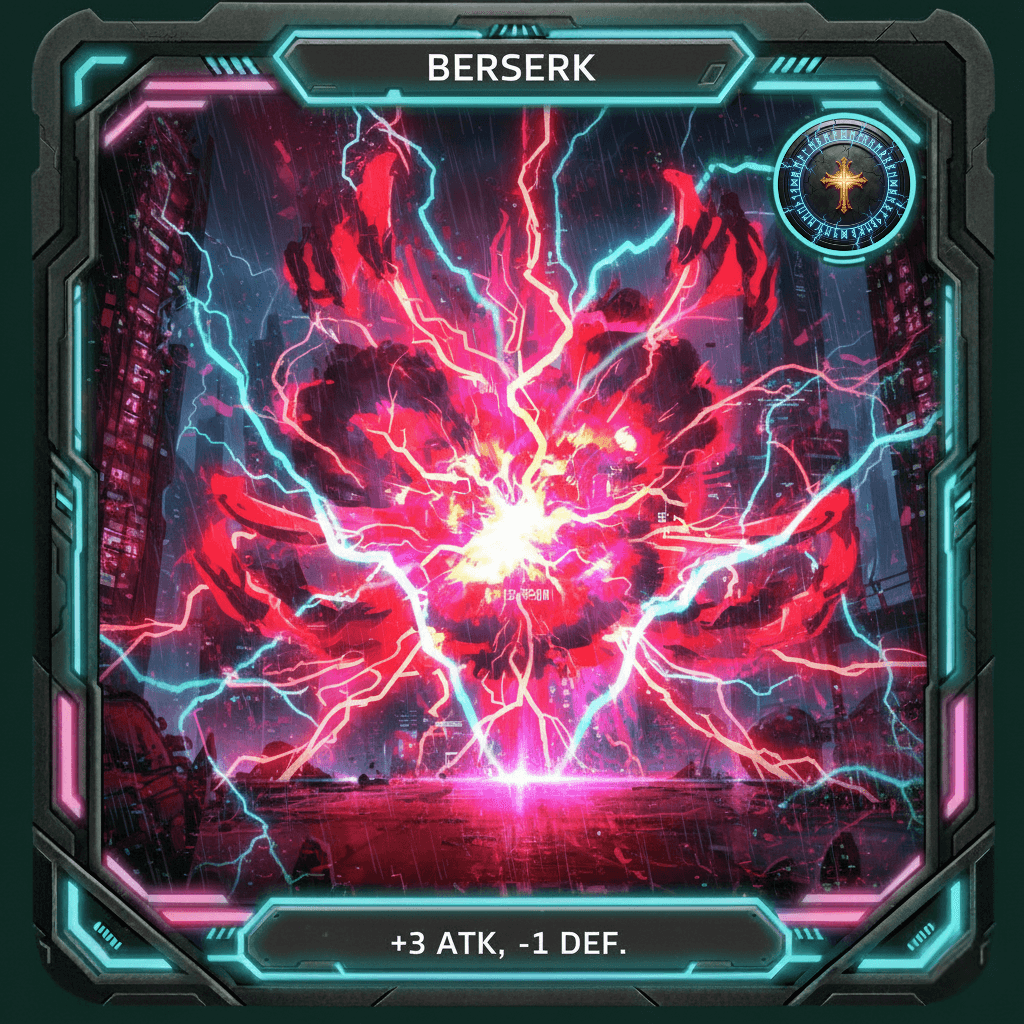
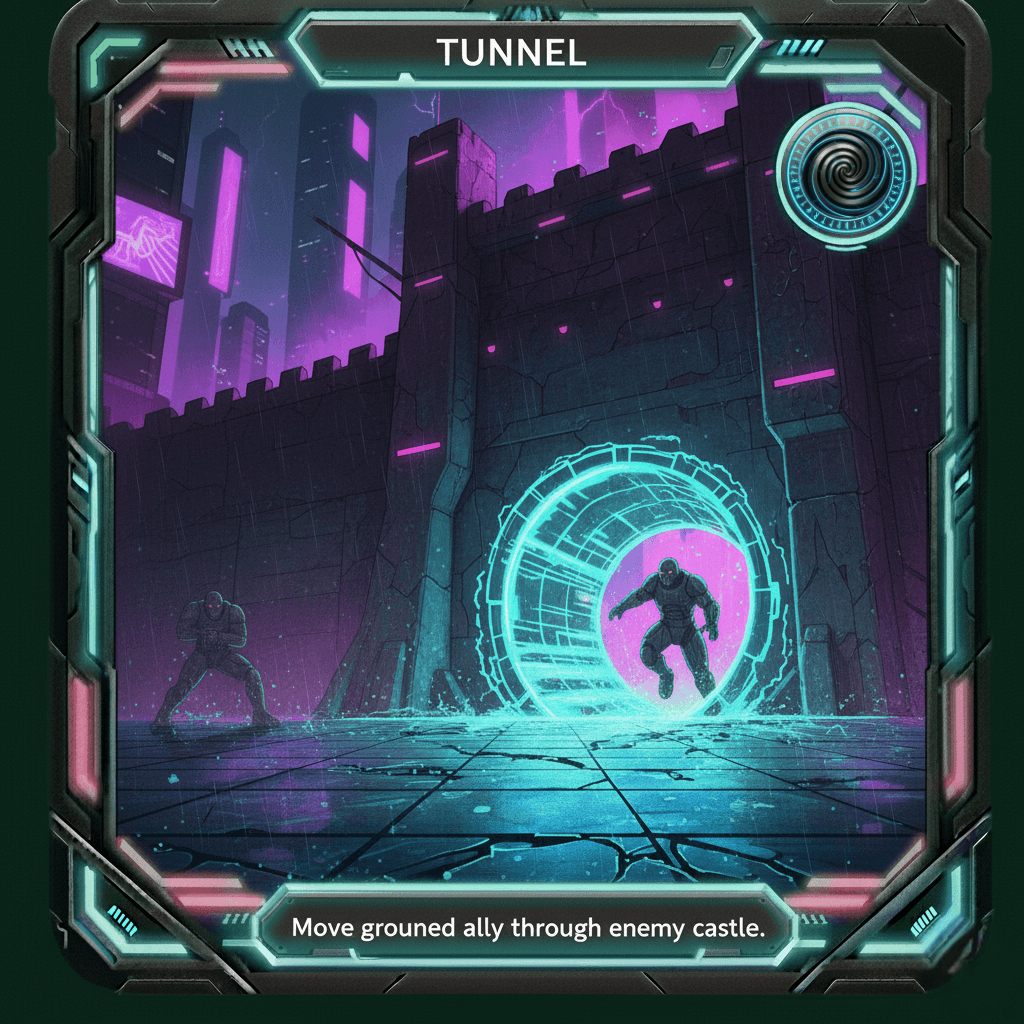
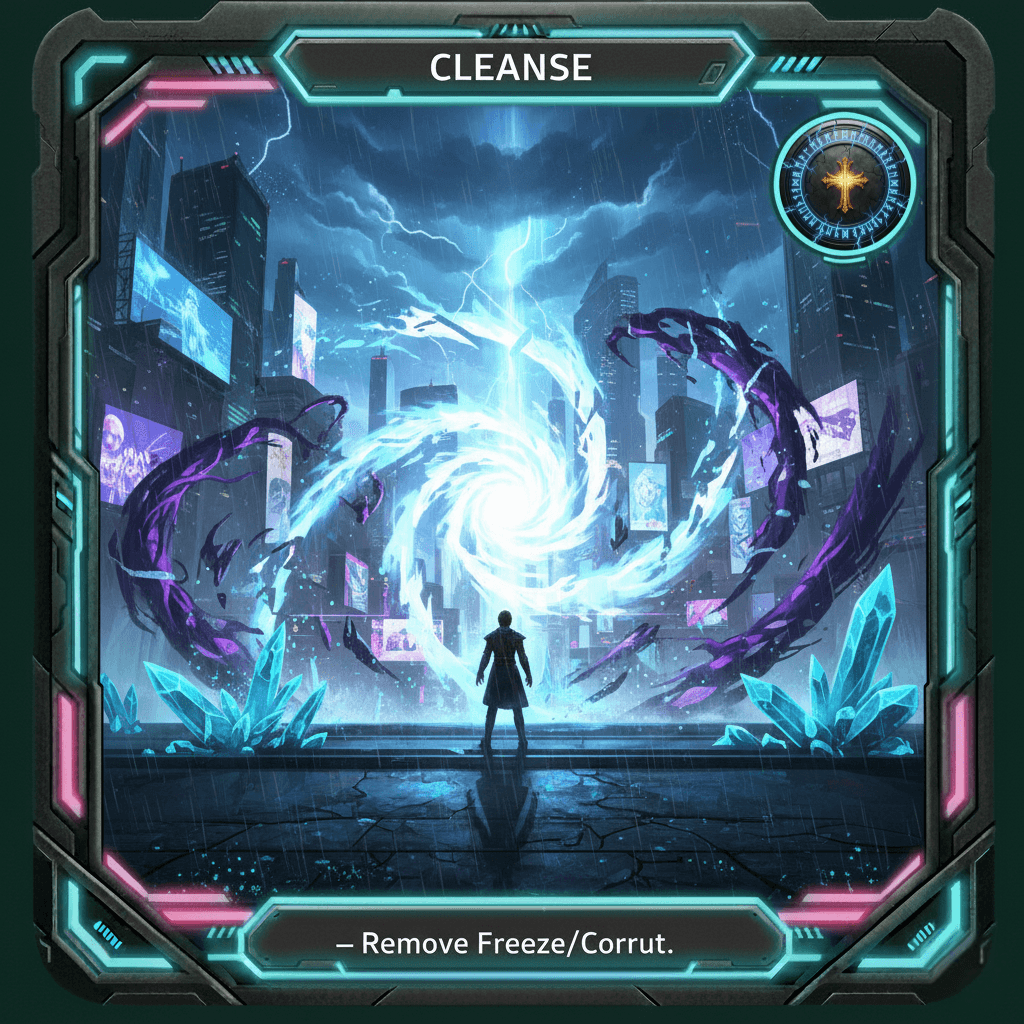
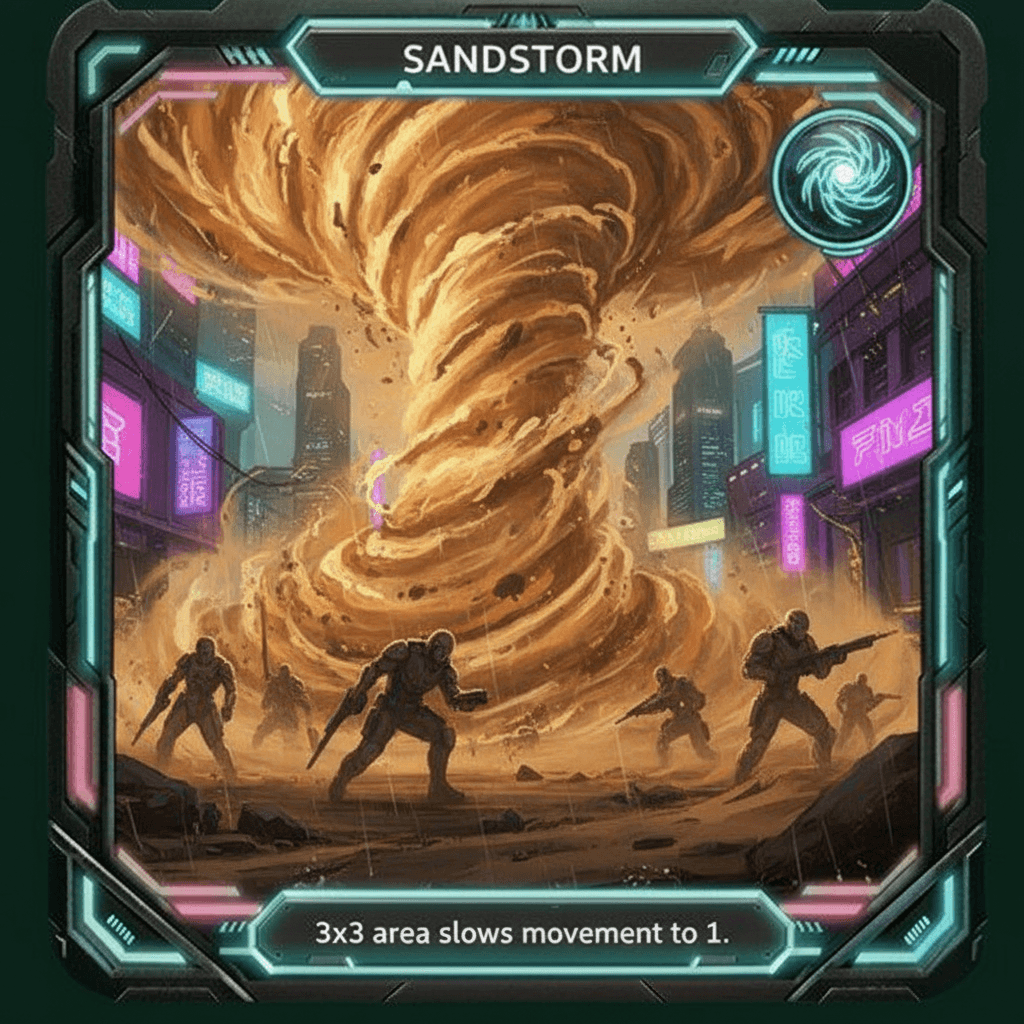
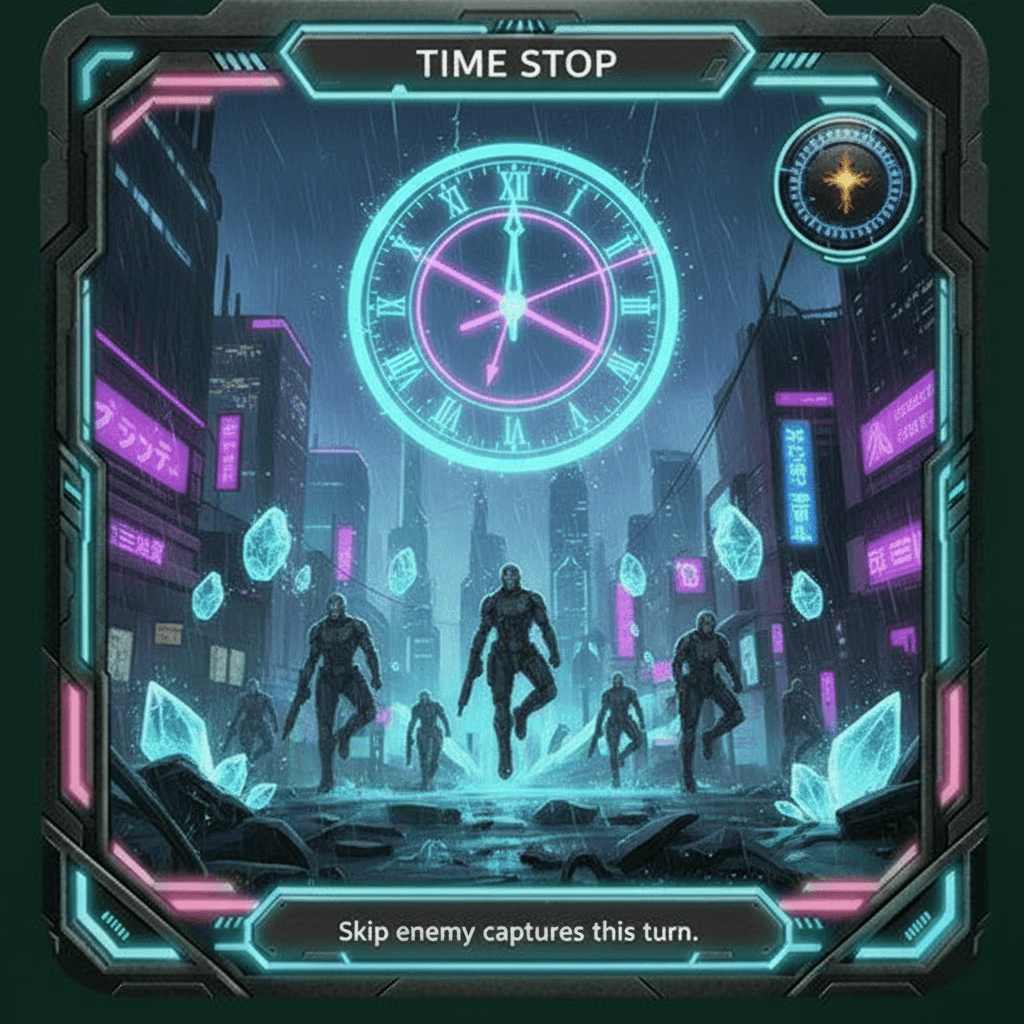
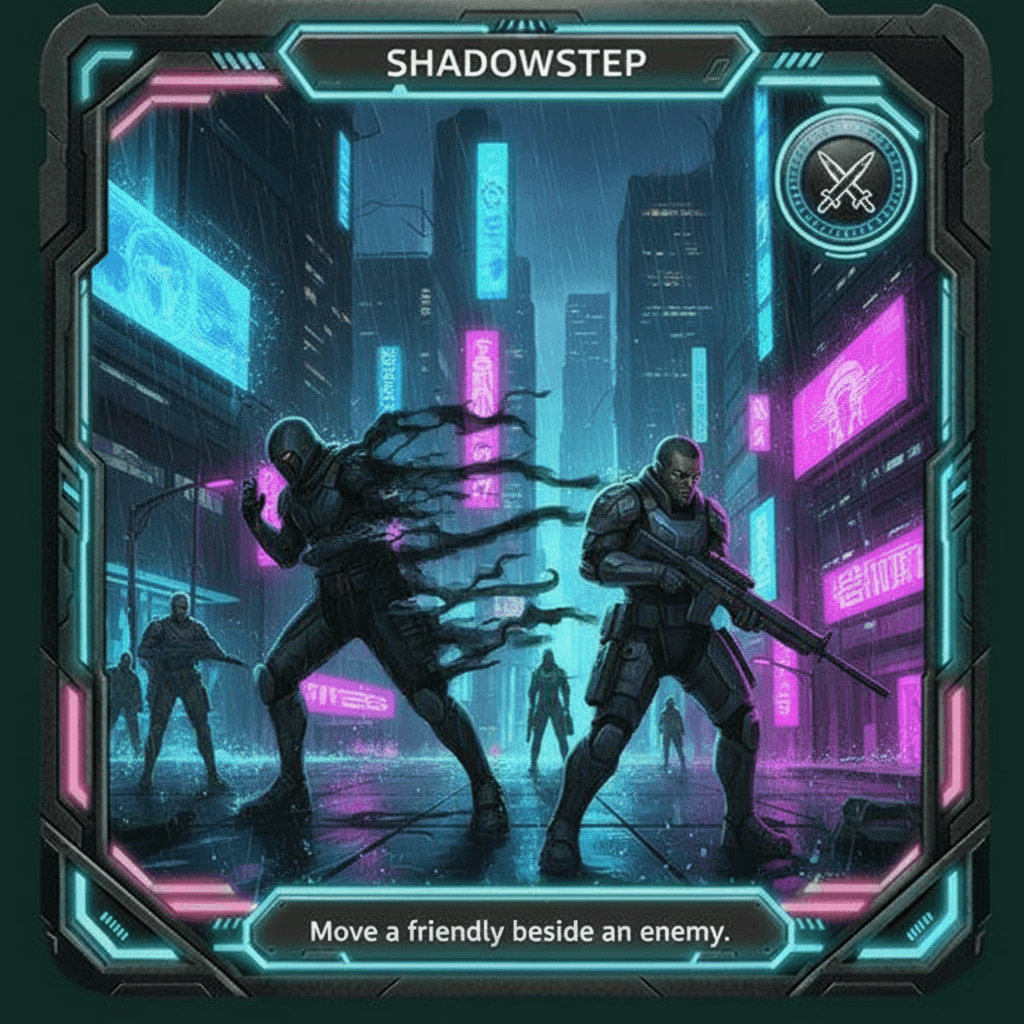
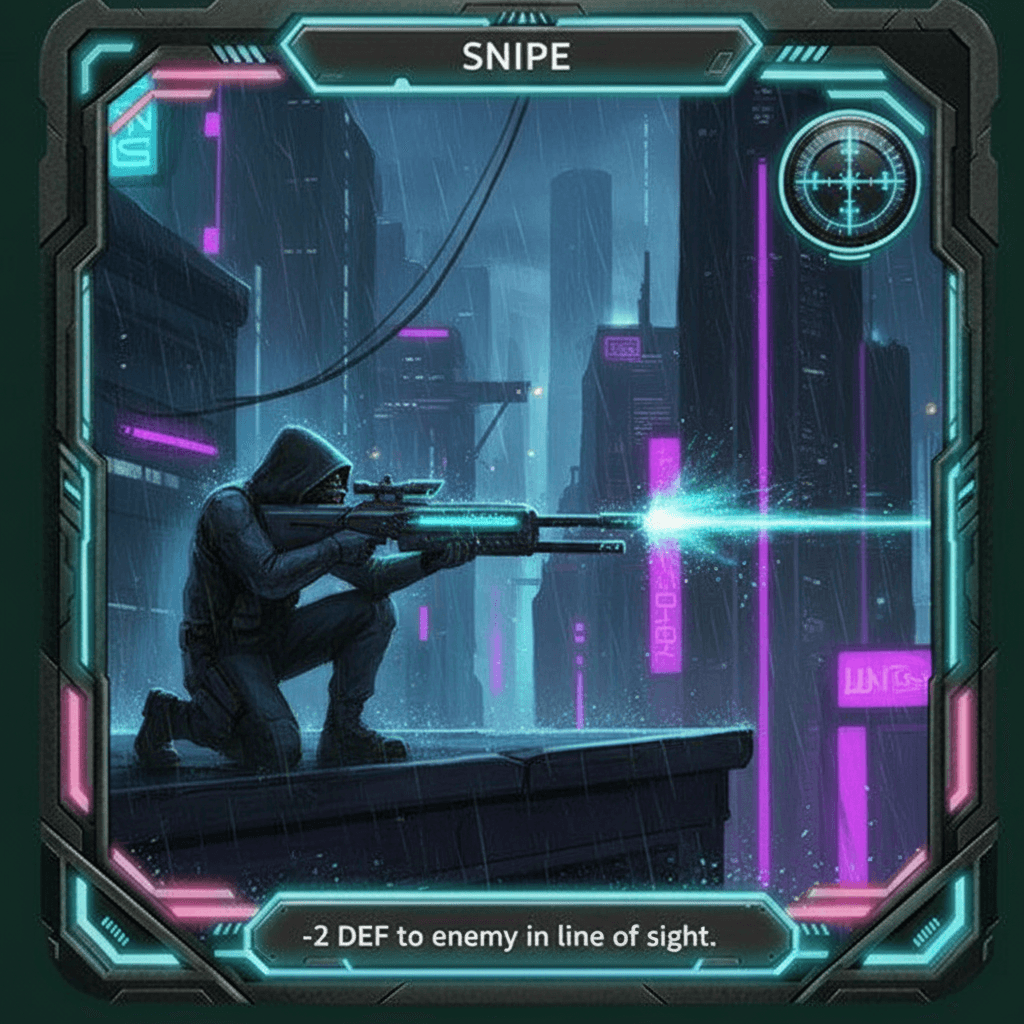
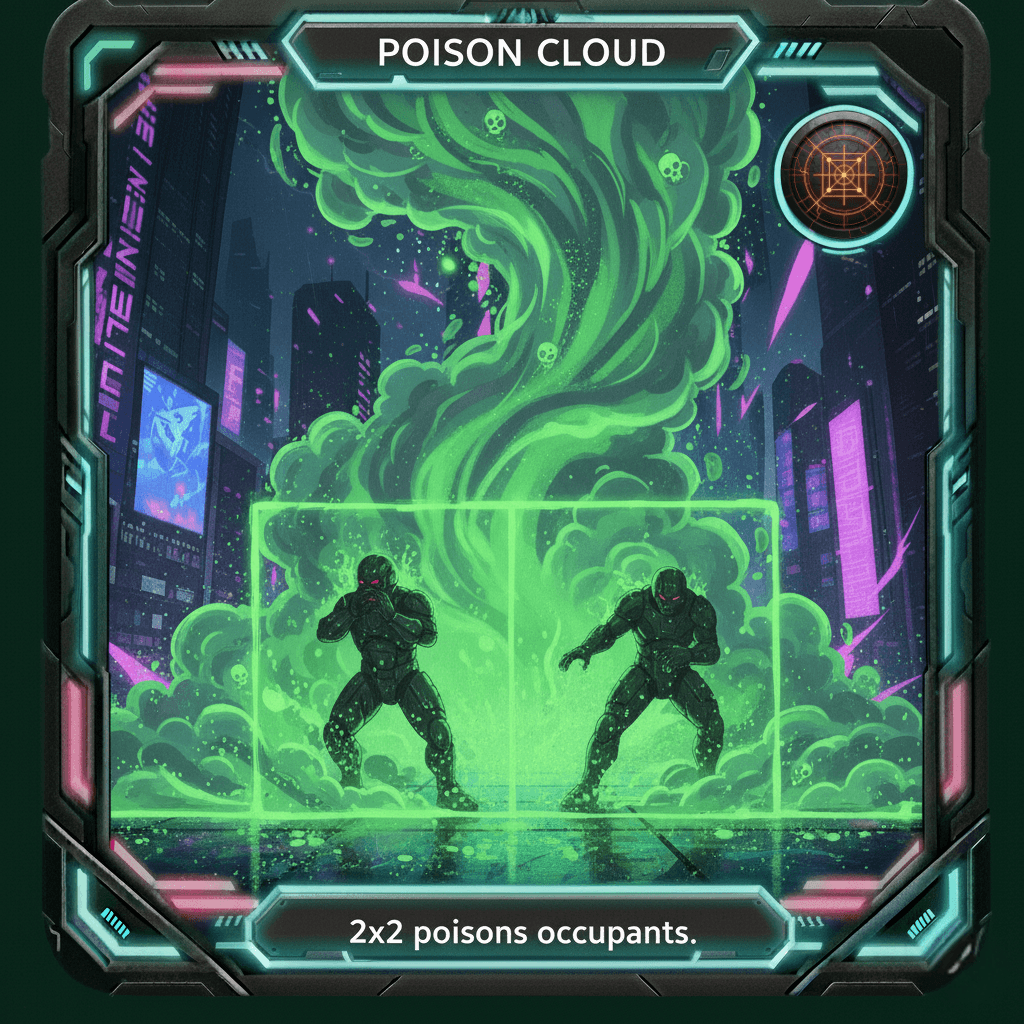
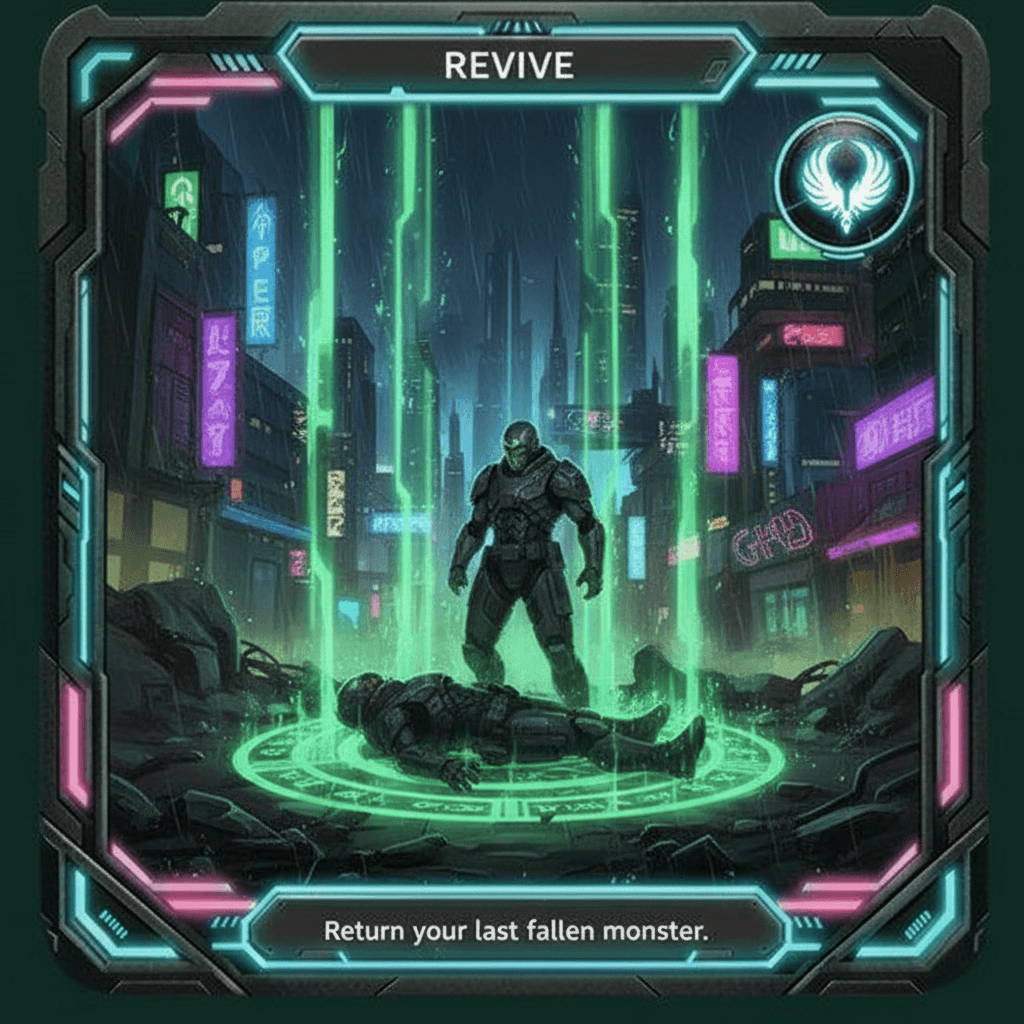
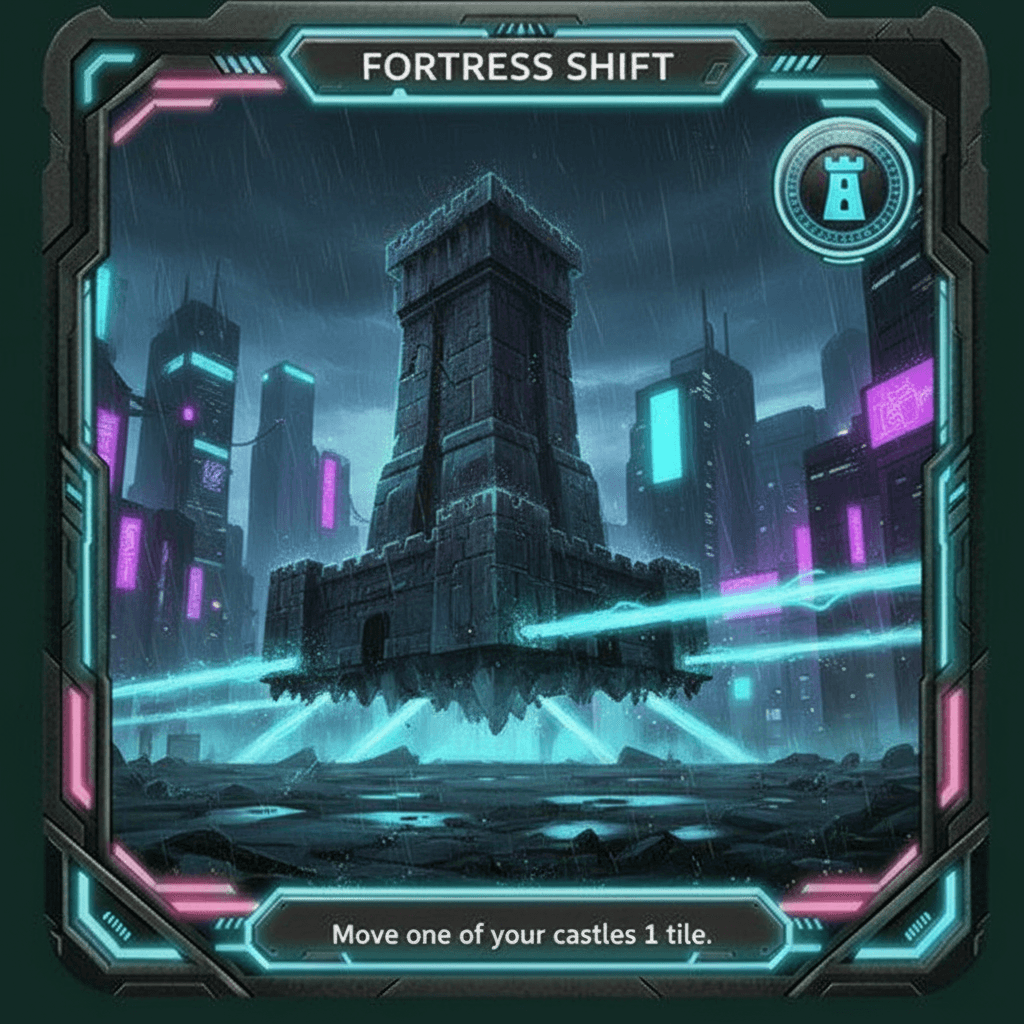
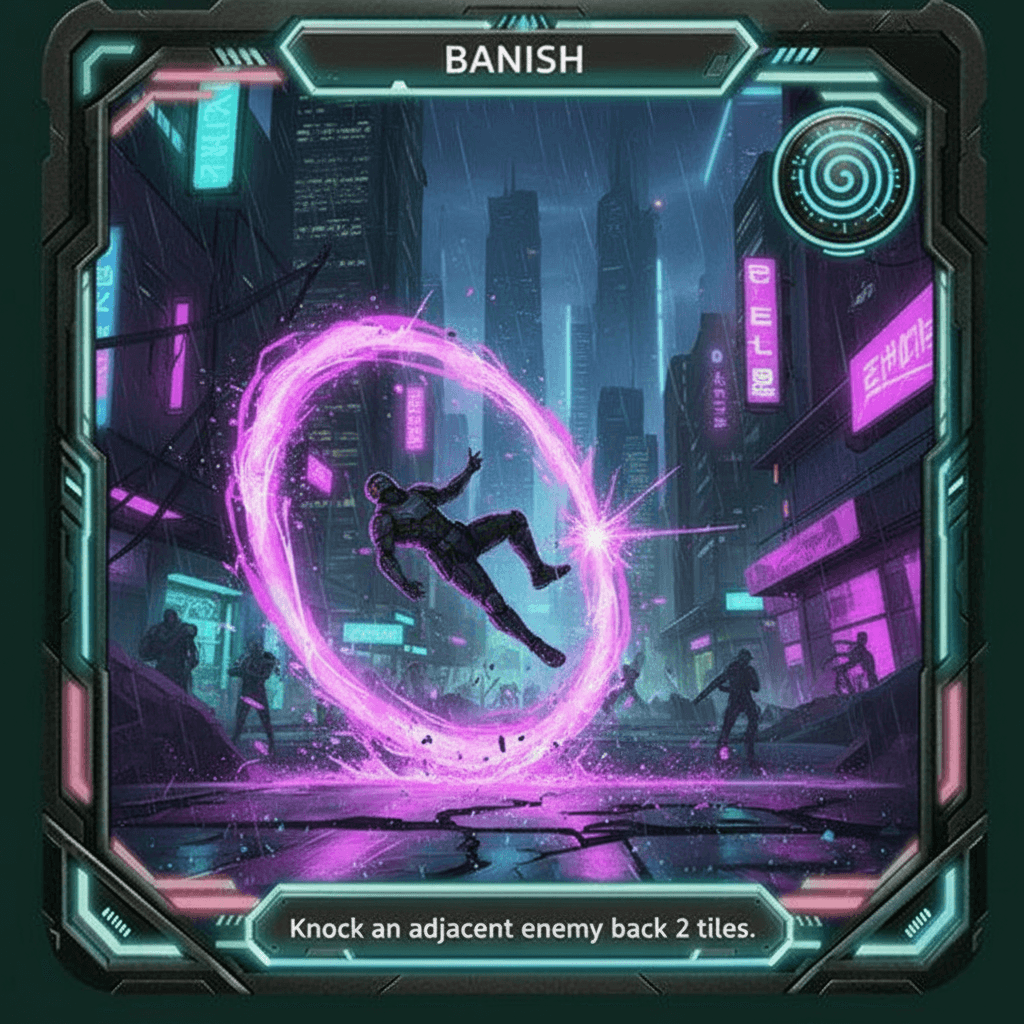
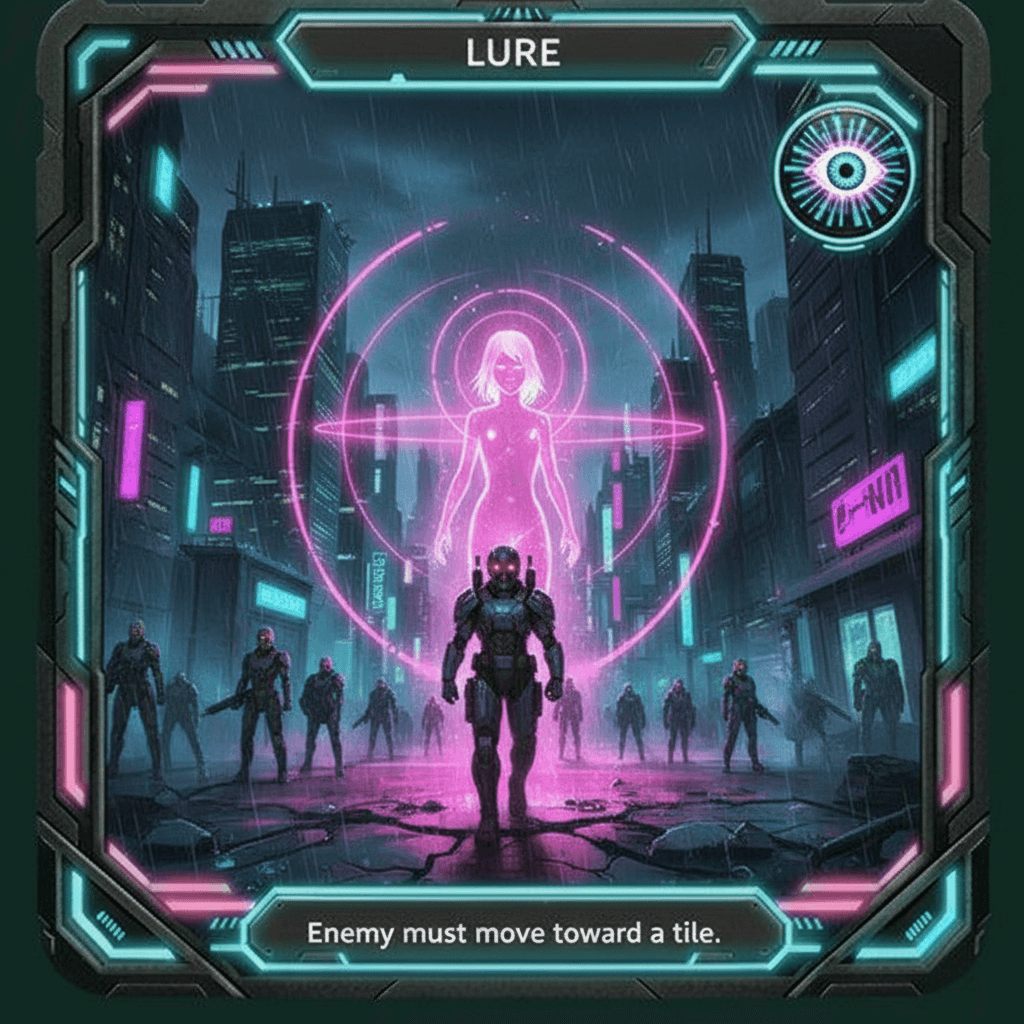
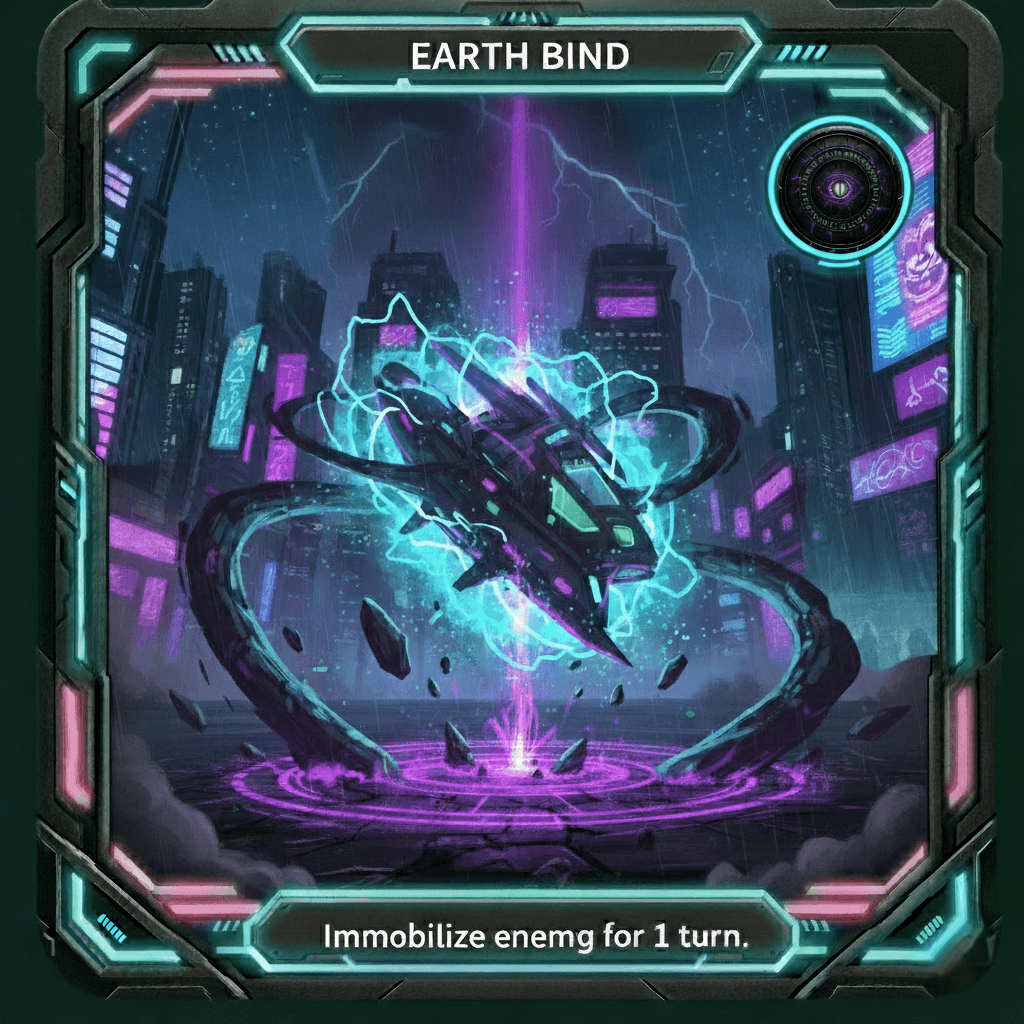
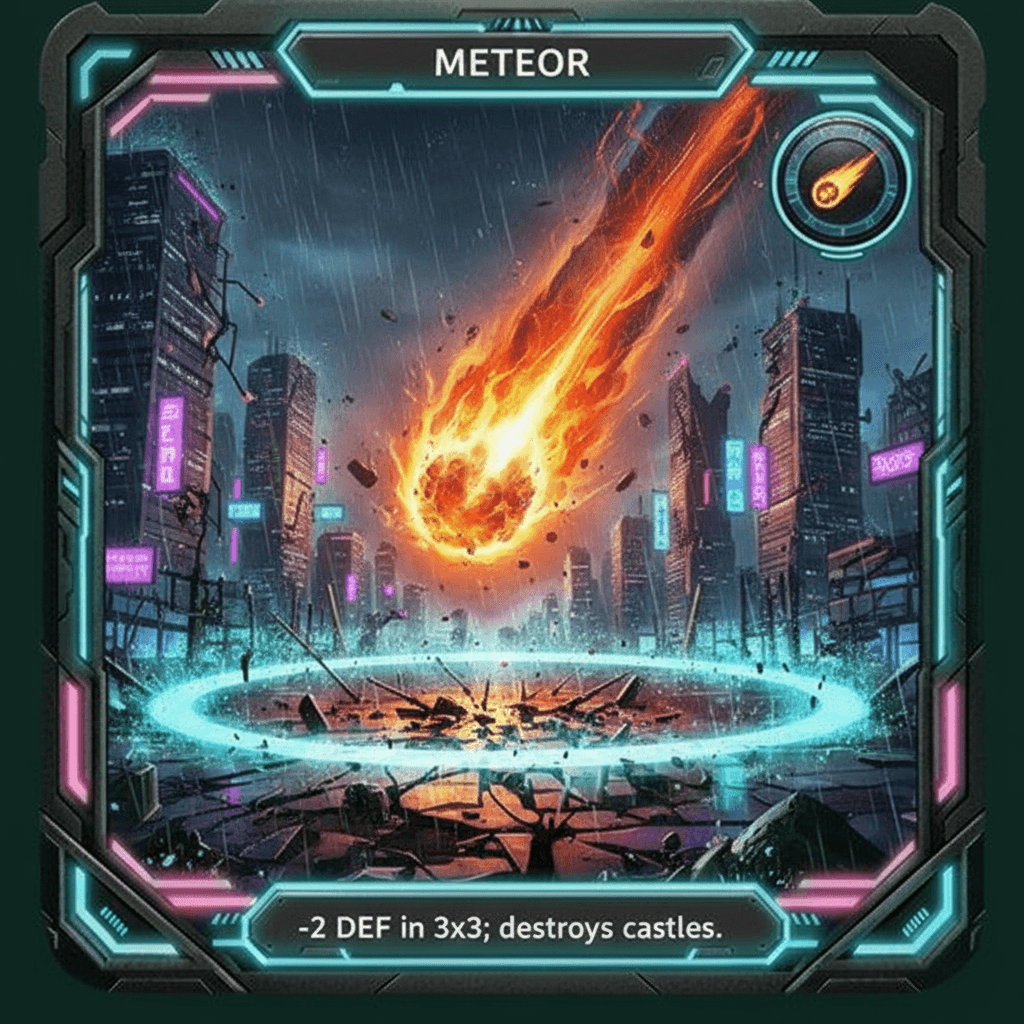
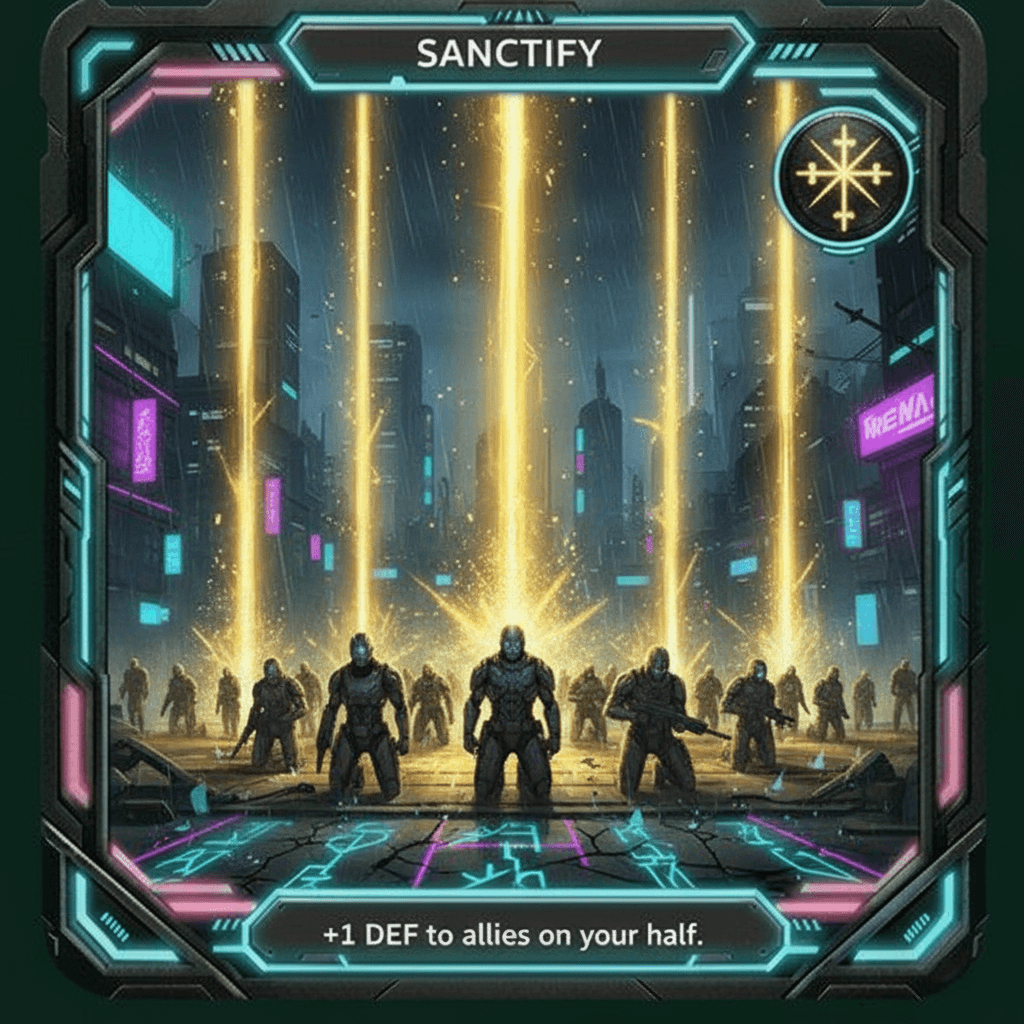
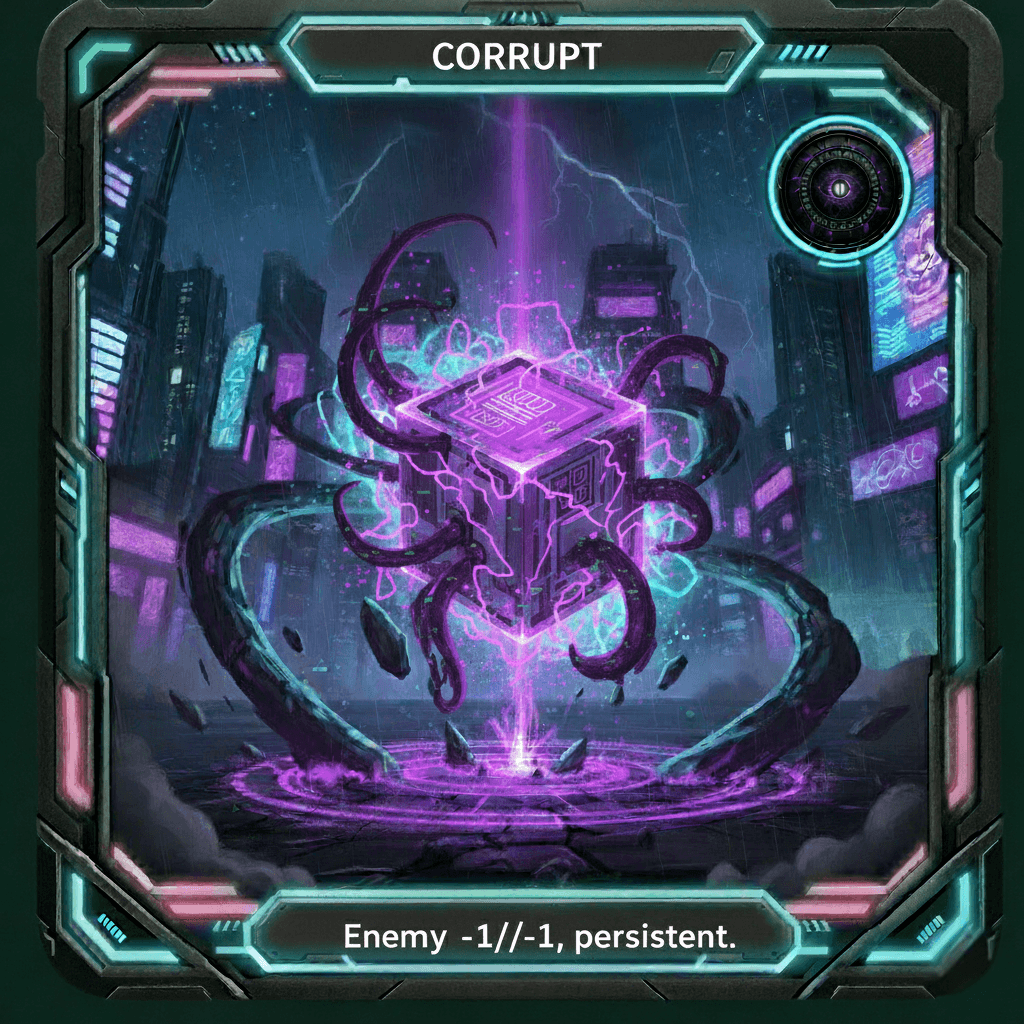
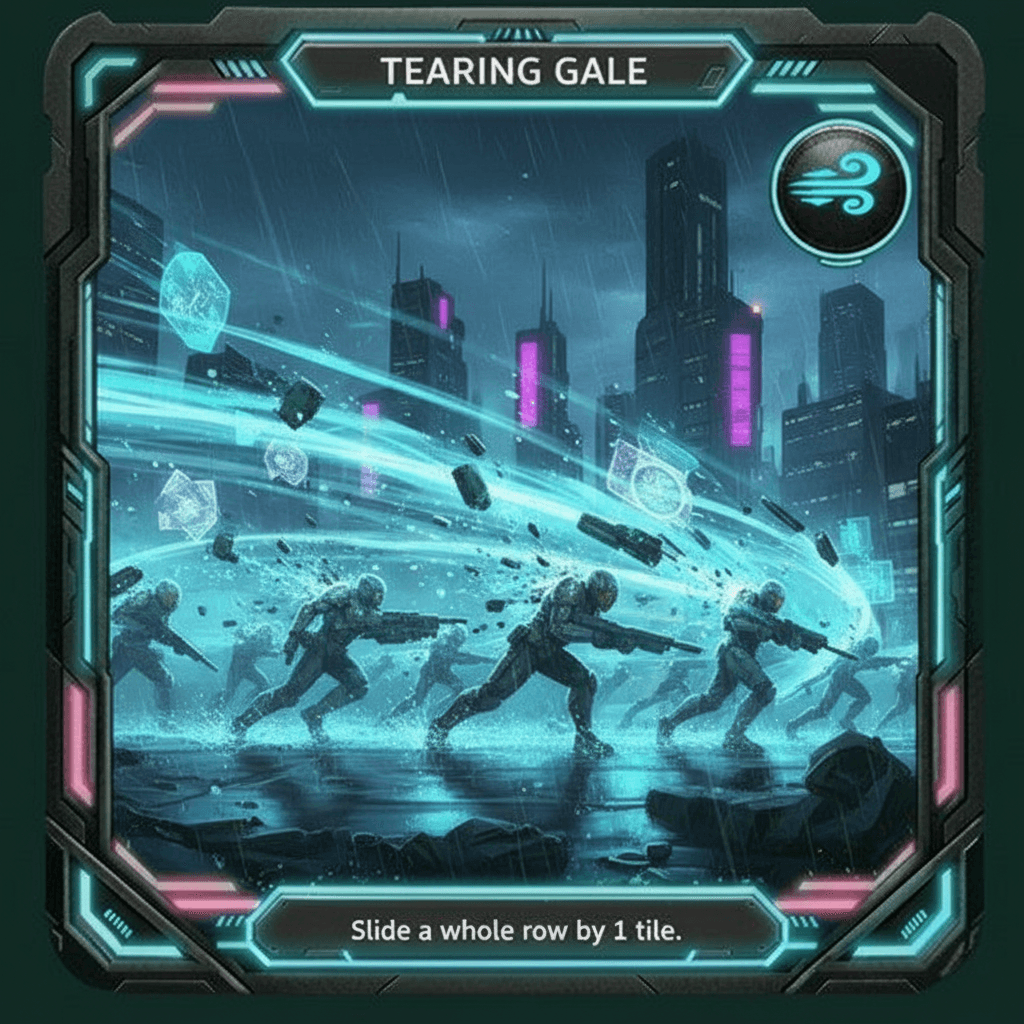
✨ Grimoire — all 32 spells (image · effect · targeting)
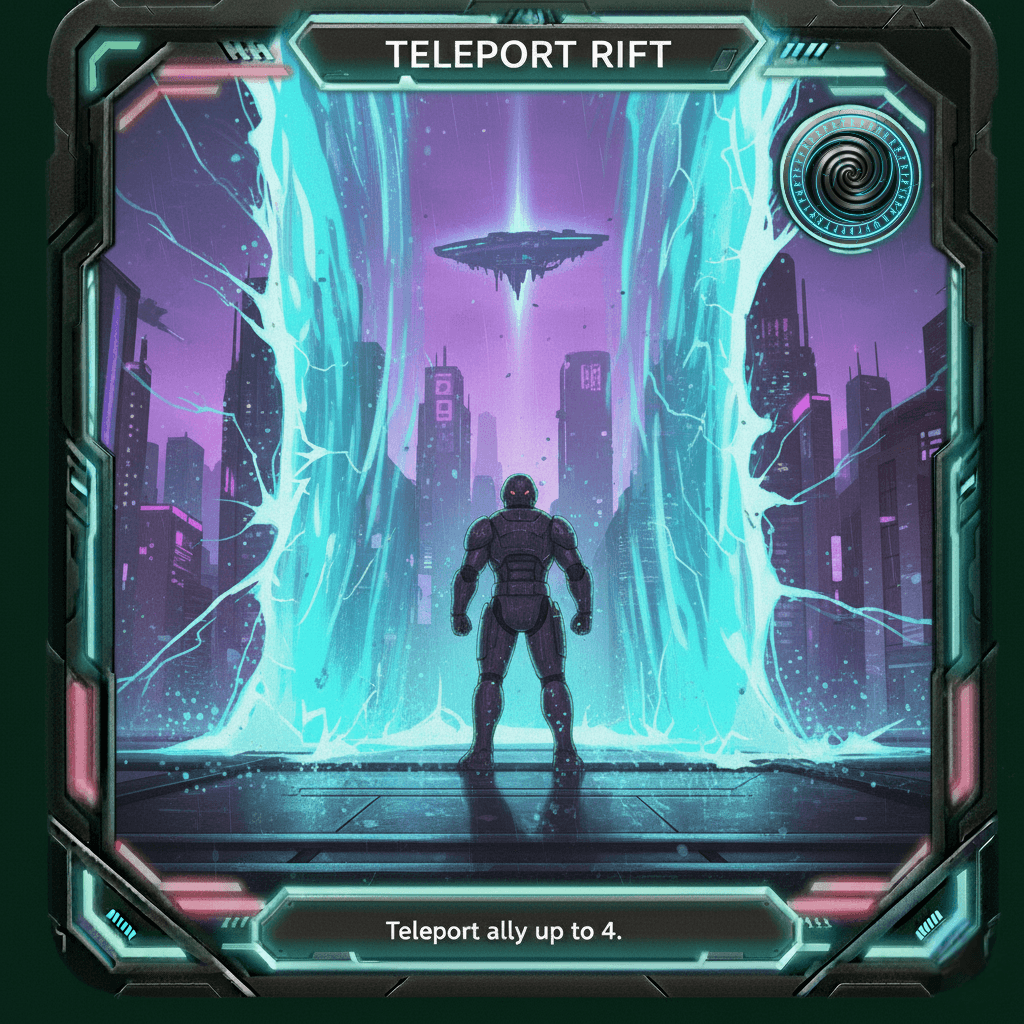
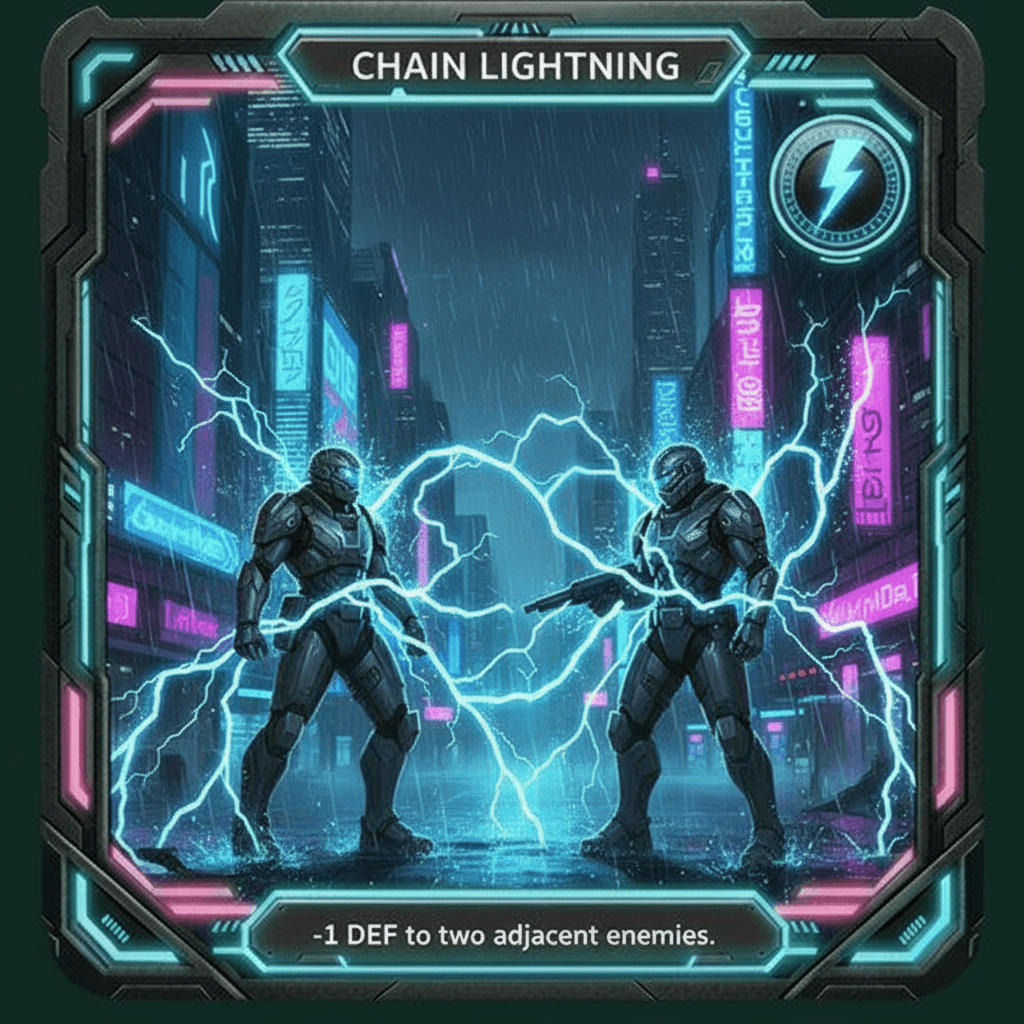
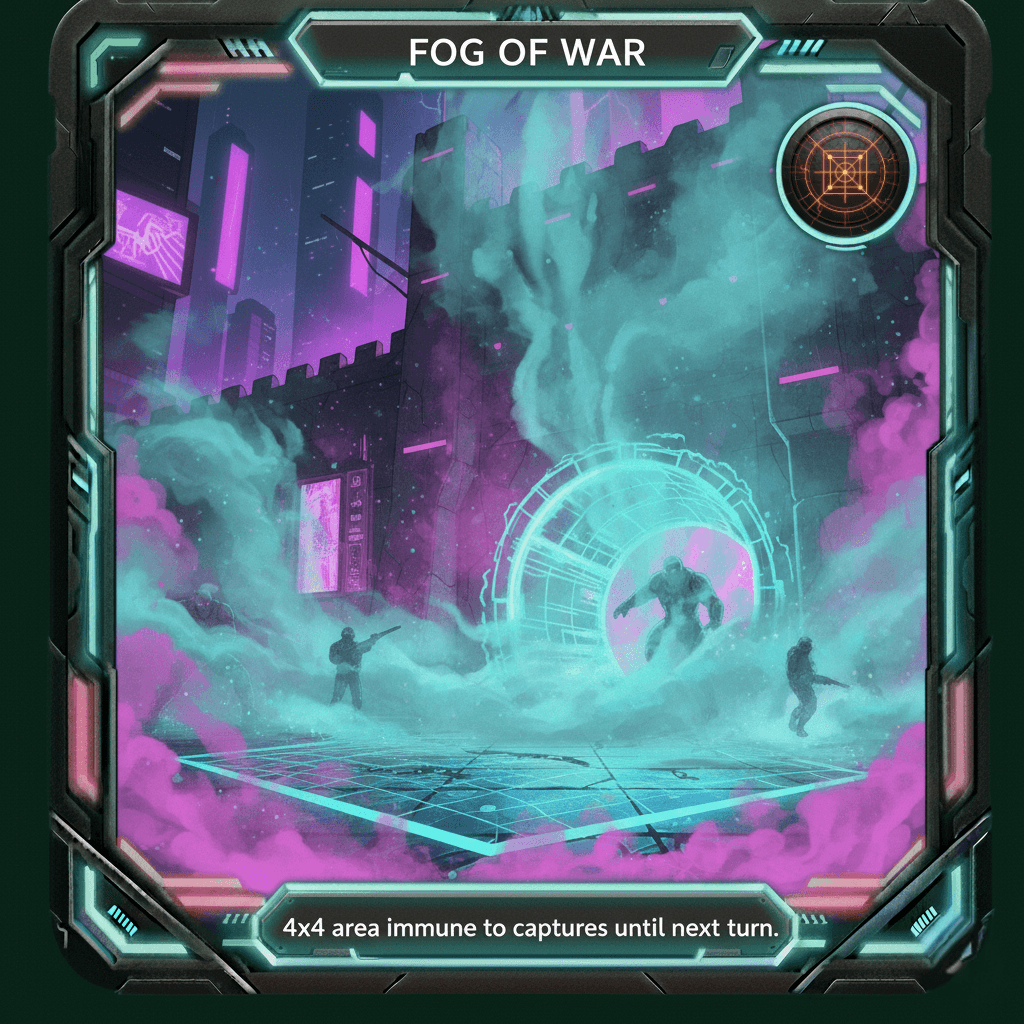
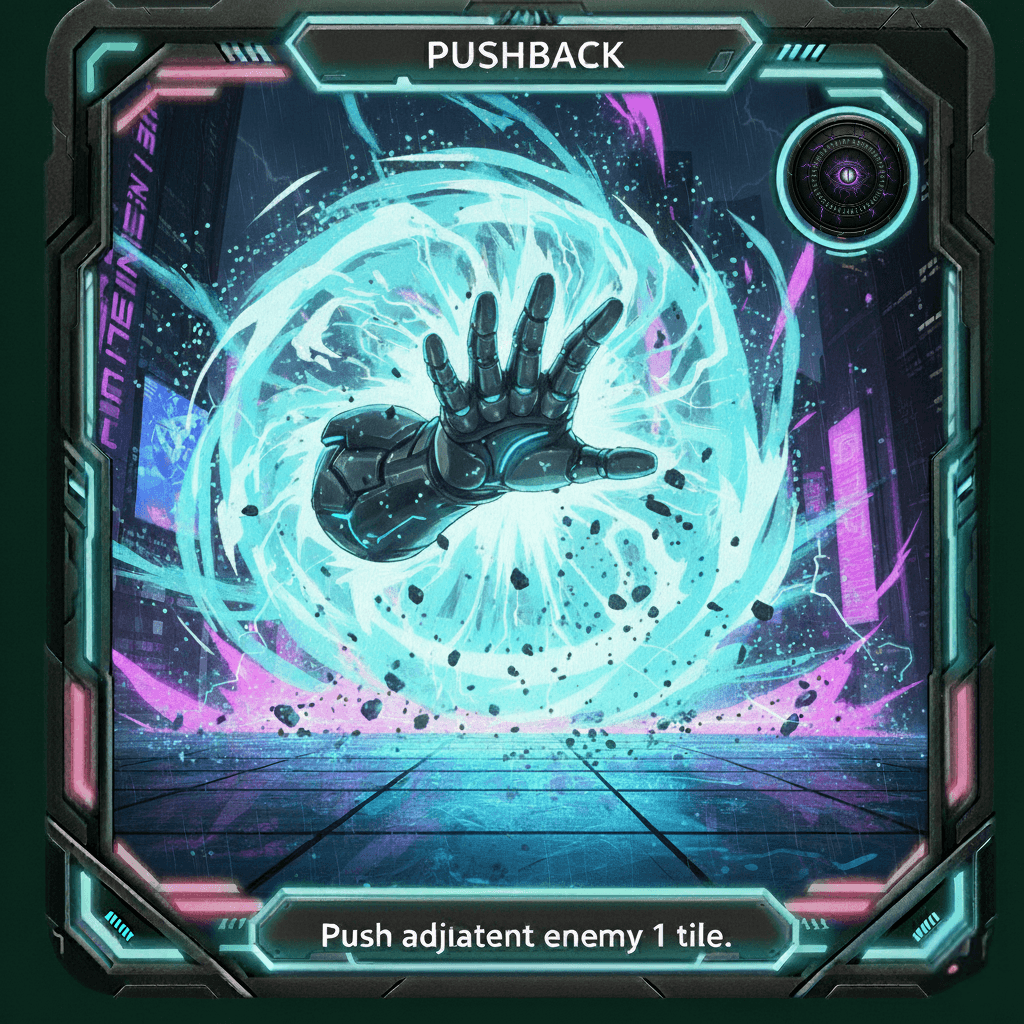
Ranked play (ELO)
Signed-in players are rated on online matches only. Everyone starts at 7,777. After a game: new = old + 32 × (result − 1 / (1 + 10^((opponent − you) / 400))) where result is 1 for a win and 0 for a loss — beating a stronger player earns more.
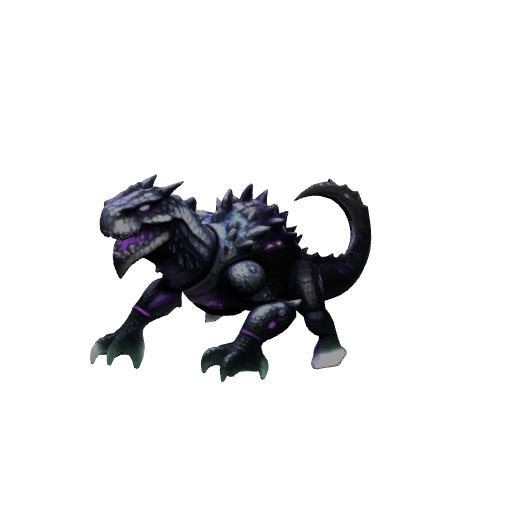
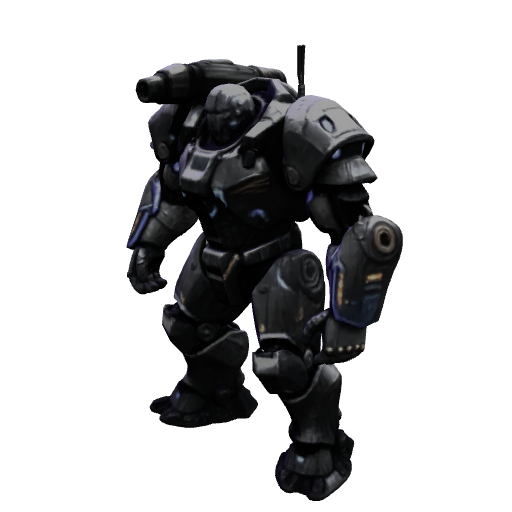
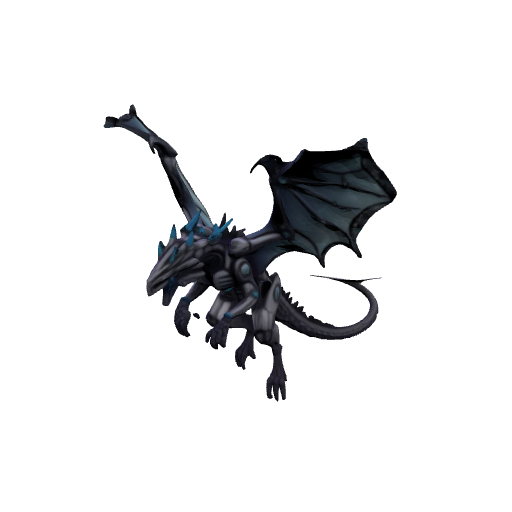
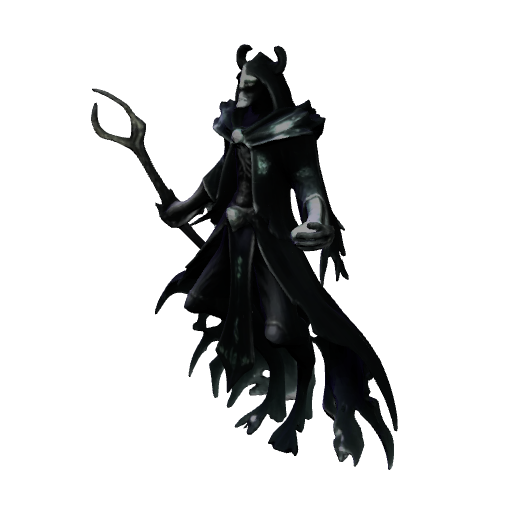
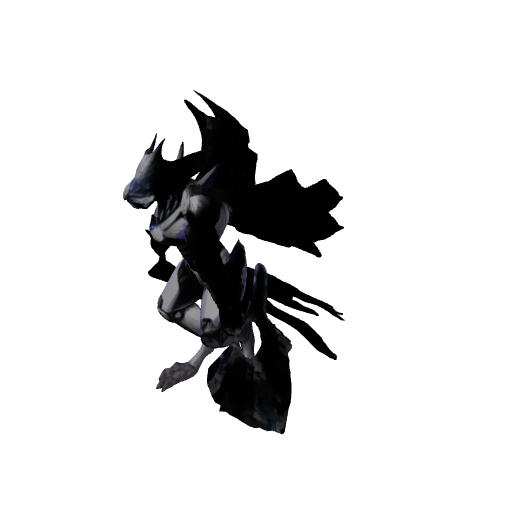
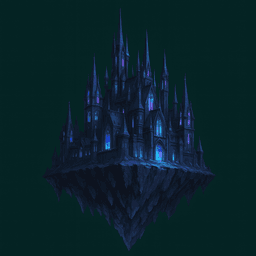
The armies — every monster has a real 3D model (toggle 🧊 3D in game)
🧠 Intelligence Engine
Ruleset v2.7.1 · 32 monsters · 32 spells · 6 archetypesLike a chess engine's lab: the same code that runs your games plays full AI-vs-AI matches against the latest ruleset — every monster pattern, every spell, every fight roll. The results accumulate below and feed balance tuning, so the rules stay structured and honest.
Self-play results — 3267 games
- First player wins 48% · second player 50% · draws 60
- Average game length: 60.5 turns · 12816 fights simulated
- Strongest recruits: behemoth (63%) crusader (59%) paladin (58%) titan (58%) juggernaut (57%)
Rules changelog
- Combat: Pre-attack odds: attackable tiles show the attack's real win chance (⚔ NN%), computed with the exact fight rules — garrison, forest, support, wounds and the attacker bonus included.
- Balance: Attacker hit bonus trimmed to +5% (was +6%) — engine-validated.
- Engine: INSANE retrained on the v2.7 dice and searching deeper — positioning matters more than ever.
- HP: Each lasting-HP die now rolls 4–7 instead of 1–7 (same 5.5 average, half the spread). No monster is born crippled or near-immortal; combat dice are unchanged. Engine-validated: fortress dominance drops while the rules stay exactly as simple.
- Lobby: Quick Match lobby: post an open challenge or accept one — no invite link needed. ⚡ Quick Match auto-joins the newest challenge or posts yours.
- Puzzles: Tactical puzzles mined from engine self-play, with one clearly best move — Easy/Medium/Hard banks plus a Puzzle of the Day with streaks.
- Tutorial: Interactive tutorial: a guided 2-minute battle that teaches the movement families, fights, and castles on a real board.
- Clock: Online matches choose their clock: ⏱ 30s turns (default) or 🔔 Async — no clock, and your device gets a push notification when it's your turn.
- Navigation: Site header with a menu reaching every module from anywhere.
- Modes: Every mode (vs AI, local 2P, online) can now be played WITH SPELLS (default) or NO SPELLS — a pure-tactics duel of monsters and castles; the draft skips the spell step entirely.
- History: Every game is recorded move by move. The Intelligence Engine's Game History lets you replay any match position by position.
- Analysis: Intelligent Vision re-runs the engine on the exact position a player faced and shows the move it would have played, next to what was actually played.
- Ceremony: After the HP dice, a quick reveal animation deals out the random opening — castles rise first, then each monster takes its post.
- Reach: Reach icons flash on legal destination squares only (2D and 3D); the opponent's previous play is highlighted in 3D with an amber ring and gold arrow.
- Castles: Garrisoned enemies are attackable (they fight at +1/+1, shown on their badges); empty enemy castles still wall off ground units. Building on an enemy castle makes it CONTESTED (both sides may use it, ½ badge); building again claims it.
- Combat: Flanking removed. The full combat theater is back — forecast odds, battle intro, precise analysis, per-strike damage dice and a combat log — all driven by the server's real fight.
- Clock: Online matches run a 30-second turn clock; an expired clock passes the turn (server-verified).
- Ceremony: Lasting HP is rolled at the table: a 3D dice ceremony shows every monster's roll, one by one.
- Clarity: Unique icon and color per monster, threat-lines overlay showing every monster's reach, spell targeting highlights only the legal choices, HP badges refined, sound effects throughout, and an in-rules Bestiary and Grimoire.
- Attacks: Attack highlights derive from each monster's true movement pattern — if it's red, it's legal.
- Movement: Every one of the 32 monsters now has a unique signature move on top of its class pattern (pink cells in the draft diagrams) — no two monsters play identically.
- Draft: Snake draft option: a shared pool with alternating, fully visible picks (H A A H H A A H…) in every mode; the AI counter-picks greedily.
- Terrain: Forest option: clustered woods give the defender +1 DEF; forests are visible on the board (🌲).
- 3D: 3D mode is now a real WebGL board — actual models standing on tiles with cinematic lighting, walking/flying/phasing animations per archetype when they move.
- Summary: Post-game summary in every mode: fights won, damage dealt, survivors, and the ELO change for ranked games.
- Victory: Three win conditions selectable at match creation: ⚔️ Classic (annihilation), ⭐ Middle (hold more of the 4 center tiles than the opponent for 6 consecutive half-turns), 👑 King (a random monster per side is crowned — if it dies, its side loses instantly). Annihilation always also ends the game.
- Movement: Chess-borrowed patterns replaced with six original archetypes, each with a signature move: Warrior's forward advance, Fortress's castle garrison jump, Charger's committed 2–3 tile charge (never 1), Dragon's radius-2 free flight, Skirmisher's backward disengage leap, Shade's 2-tile phase through pieces.
- HP: Lasting HP: one d7 per DEF rolled once after the draft; fight damage is permanent — winners keep their wounds.
- Combat: Server-rolled dice duels; attacker strikes first with +6% hit; right-angle flanking grants +10% hit and +1 damage die.
- Movement: Chess archetypes: Warrior, Fortress, Charger, Dragon (2+1 leaps), Skirmisher, Shade — one per trait family.
- Boards: Selectable board size: 8×8 default, 12×12, 16×16, 32×32; spawn tiles are always distinct.
- Modes: Local hotseat with rotation + privacy gate; online multiplayer with invite links, chat, breaks, and surrender.
- Ranked: ELO ladder for online games between signed-in players; everyone starts at 7,777, K = 32.
- AI: The AI uses the full movement patterns (it attacks with every option a player has) and a Hint button shares its analysis.
- Core: 16×16 board, draft 7 of 14 monsters and 16 of 32 spells, one action per turn, all-or-nothing stat-compare combat.
- Castles: Castles block enemy ground movement and grant +1 ATK/DEF to garrisoned units; 10 reserve castles per side.
📜 Full game history
Browse all games →Every game is recorded move by move. Open a replay, step through each position, and switch on Intelligent Vision to see the move the engine would have played at every step.
Why “Messyna”?
From the Greek mésos (μέσος) — “middle”. The name echoes ancient Messēnē and the region of Messenia in the Peloponnese, whose exiles gave their name to Messana — today's Messina — when Anaxilas of Rhegium seized the sickle-harbour city of Zancle in the early 5th century BC and renamed it after his homeland. A city on a strait, fought over for its middle ground between two shores — exactly what this game is about: whoever commands the middle of the board commands the war.